report
AI-powered report generation from body-cam footage.INSIGHTS
Search video, transcripts, narratives, and case timelines.redact
Redact faces, plates, audio, and documents for release.Flash
Mobile field capture for notes, photos, and follow-up.

Code Four Redact
Code Four Redact finds the faces, plates, screens, spoken identifiers, and document PII in your evidence, shows a reviewer exactly what it plans to cover, and only then burns the redaction in permanently.
Say what to protect. Not where it is.
"Blur every bystander face but keep officers visible" is a complete instruction. Code Four compiles the request into a detection policy, finds the subjects across the whole file, and follows each one as they move, turn away, leave frame, and come back.


The identifiers people say out loud, too.
A released recording leaks just as much through audio as through video. Redact transcribes the recording, locates spoken identifiers as precise spans, and either bleeps them or mutes them depending on how long they are.
and he told me his date of birth was March 2nd, 2002, then gave an address of 1310 South Main Street before he handed the phone back.
Reports and PDFs in the same queue.
Records requests rarely arrive as video alone. Redact reads each page, proposes boxes over names, dates of birth, addresses, identifiers, signatures, and photos, and grounds every box against the words in the document's own text layer.
Boxes snap to the words in the document's text layer. 1 item needs a decision before export.
Nothing is released until a person approves it.
Redaction is permanent, so the review step is the product. Every job waits in a queue with its detections listed, its uncertain items flagged, and a named reviewer attached before anything can be exported.
How a Redact job runs, end to end.
Seven stages from upload to release. Five run on their own; the review and the release are always decided by a person.
Bring in the file that has to be released
Body-worn camera video, recorded audio and jail calls, or the PDFs and reports attached to a records request all enter the same queue.
- The original evidence file is kept read-only and is never edited.
- Redaction work happens on a separate working copy.
- Video, audio, and document jobs share one queue and one lifecycle.
- You control
- Which files belong to the request.
- What comes out
- A queued job tied to the untouched original.
Original never modified
Redaction runs on a working copy. The evidence file stays read-only and stays with the case.
Covered when unsure
Low-confidence items are covered and flagged in amber, never silently dropped.
A person approves
Every job needs a named reviewer. Export stays locked while anything is still flagged.
Burned in, logged
Pixels and text are removed in the released copy, and each approval and export is written to the audit trail.
Where Code Four Redact fits in the law enforcement workflow.
Agencies evaluate software by the jobs it helps them complete. These are the operational workflows this product supports.
Public records and FOIA release
Turn a records request into a releasable copy by redacting bystander faces, minors, plates, and screens across an entire video instead of drawing boxes frame by frame.
Bystander and victim protection
Protect uninvolved people, victims, witnesses, and juveniles while leaving the evidentiary content of the footage intact.
Audio and document PII
Mute or bleep spoken identifiers in recorded audio and cover names, addresses, signatures, and identifiers in PDFs and reports.
Evidence sharing and discovery
Produce a redacted copy for prosecutors, outside agencies, media, or public release while the original evidence file stays untouched.
Common questions from agencies.
What is AI redaction software?
AI redaction software finds sensitive content in evidence and covers it so a copy can be released. Code Four Redact detects faces, license plates, screens, spoken identifiers, and document PII, proposes the redactions, and waits for a reviewer to approve them before anything is applied.
Can I describe what to redact instead of drawing boxes?
Yes. Redact takes a plain-English request such as "blur every bystander's face but keep officers visible" and compiles it into a detection policy. A reviewer can still add, remove, resize, or draw redactions by hand on the timeline before export.
Is the redaction reversible?
No. Review happens first, then the apply pass permanently burns the redaction into a new output file and deletes the underlying pixels. Your original evidence file is never modified, so the unredacted source stays intact for the case.
Does Redact handle audio and documents, or only video?
All three. Video redaction covers faces, plates, screens, and open-vocabulary targets; audio redaction mutes or bleeps spoken identifiers; document redaction covers names, addresses, signatures, and identifiers in PDFs and DOCX files.
What happens if the AI misses something?
The pipeline deliberately over-detects, runs a second gap-fill pass to catch anything not already covered, and flags low-confidence items in amber for the reviewer. A missed face is a privacy failure; an extra blur is something the reviewer can remove in one click.
Agency case studies for Code Four Redact.
Selected departments from the case study library showing how Code Four supports report drafting, evidence review, field documentation, and investigative handoff.
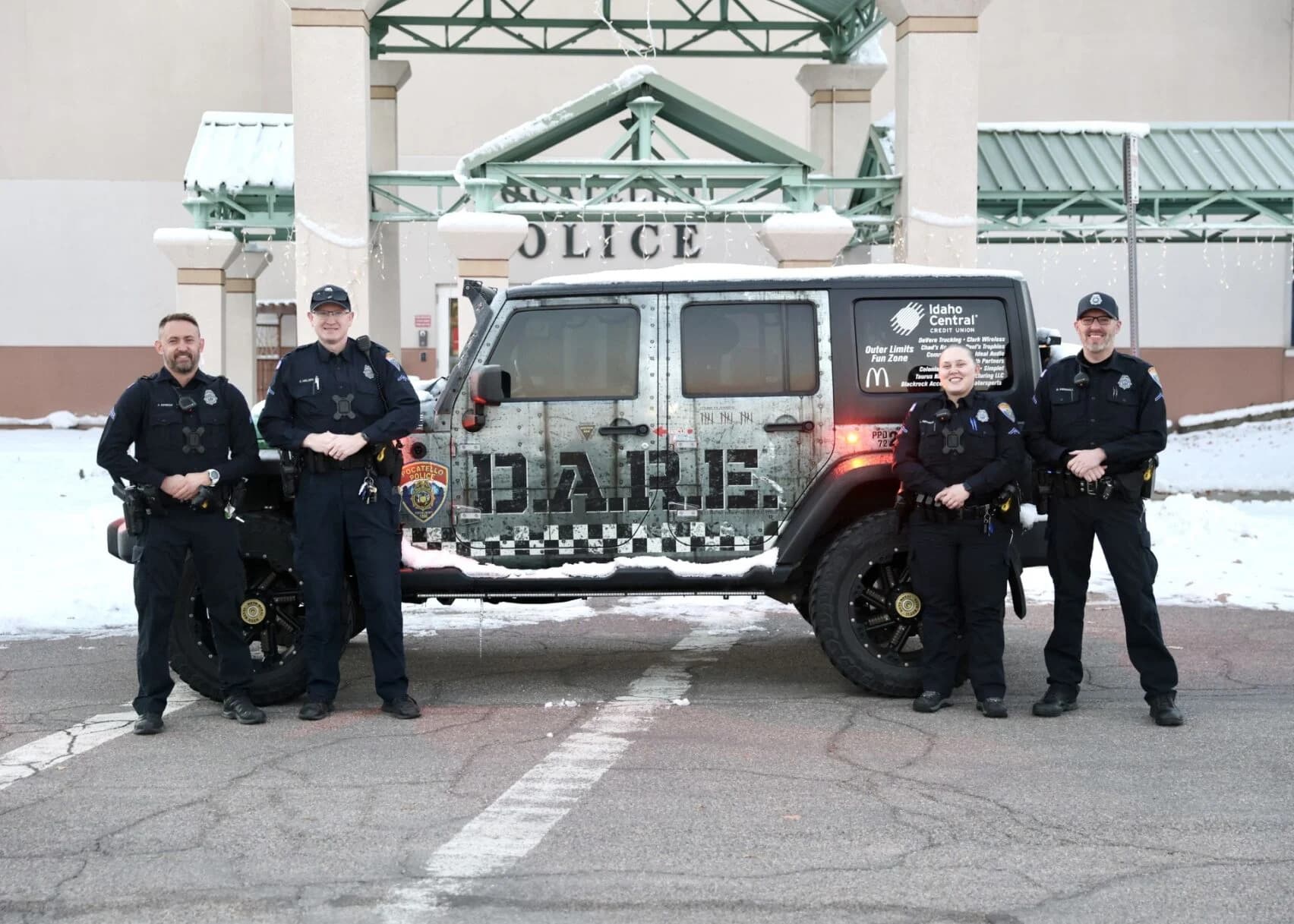
Pocatello Police Department records workflow
See how a live department uses Code Four across body-camera evidence, where released footage has to be reviewed before it leaves the agency.
Fayetteville high-volume evidence documentation
San Diego Unified campus footage and minors
Read how school-facing incident documentation works in an environment where juveniles appear in nearly every recording.
High Point violent-crime evidence handling
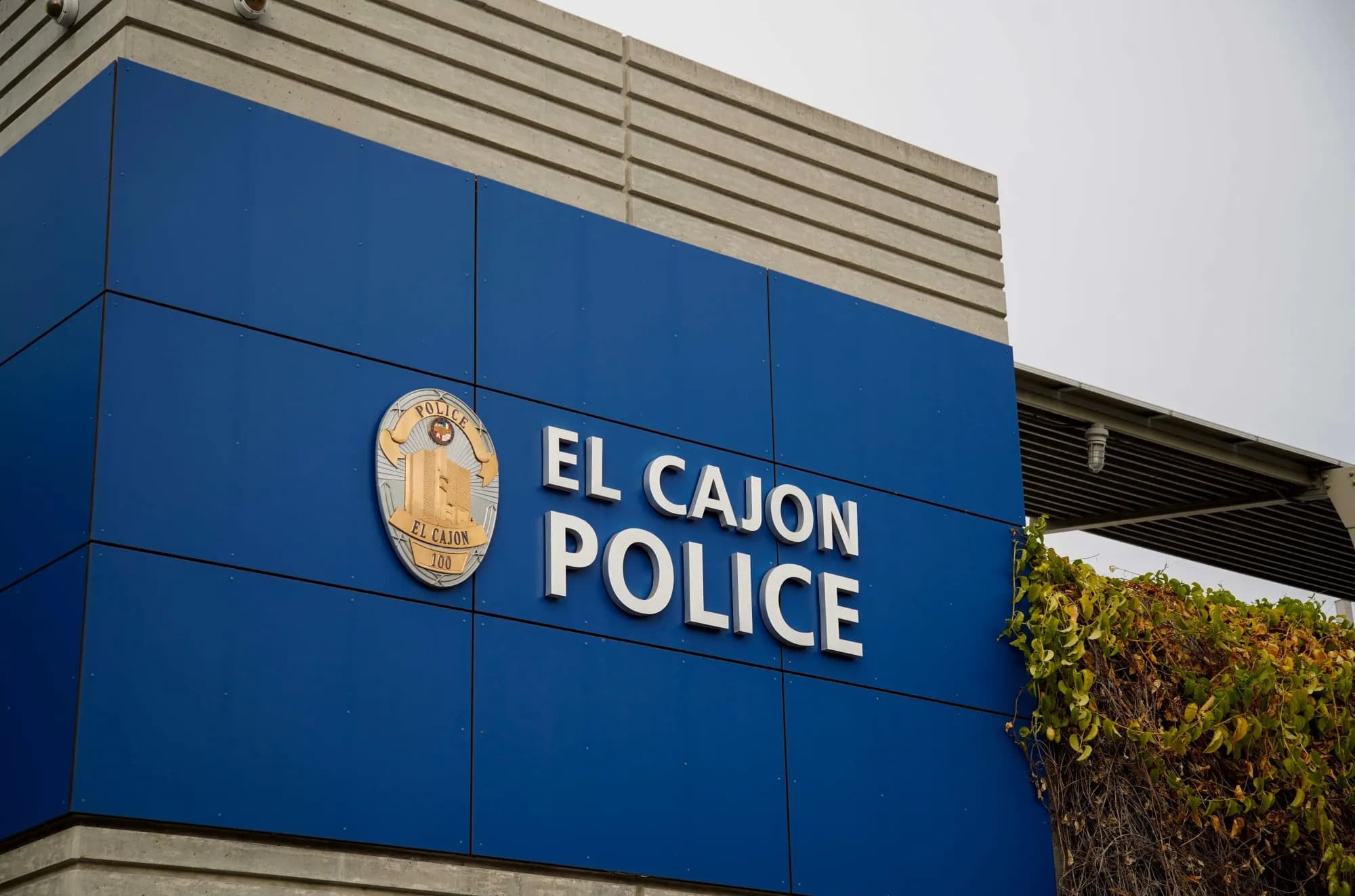
El Cajon specialized unit casework
Review a department with property crime, major crimes, gangs, narcotics, domestic violence, and crimes-against-children units sharing evidence.

Richland patrol-to-CID evidence review
Read how violent crime, fatal collisions, ICAC work, and school cases create footage that needs review before any external release.
Pocatello Police Department records workflow
See how a live department uses Code Four across body-camera evidence, where released footage has to be reviewed before it leaves the agency.
Fayetteville high-volume evidence documentation
San Diego Unified campus footage and minors
High Point violent-crime evidence handling
El Cajon specialized unit casework
Review a department with property crime, major crimes, gangs, narcotics, domestic violence, and crimes-against-children units sharing evidence.
Richland patrol-to-CID evidence review
Read how violent crime, fatal collisions, ICAC work, and school cases create footage that needs review before any external release.
Redaction for video, audio, and documents.
Code Four Redact helps records staff turn a public records request into a releasable copy, protecting bystanders, victims, minors, plates, screens, and PII without drawing boxes frame by frame.
Plain-English requests
Describe what has to be protected — bystander faces, minors, plates, screens, addresses — and let the system work out where those things are in the file.
Video, audio, and documents
Redact faces, plates, and screens in footage, mute or bleep spoken identifiers in recordings, and cover names, addresses, and signatures in PDFs.
Reviewer approval
Every proposed redaction is reviewable, adjustable, and reversible right up until the moment a person approves the export.
Irreversible export
The apply pass burns the redaction into a new file and removes the underlying pixels and text, while the original evidence stays untouched.
For agencies searching for video redaction software, FOIA redaction tools, body-camera face and license-plate redaction, or document and audio PII redaction, Redact is the release layer connected to Code Four's broader report and investigation workflow.


Capture the Future, Starting Today.
Join departments across the country who are saving thousands of hours with our AI-powered solution.