report
AI-powered report generation from body-cam footage.INSIGHTS
Search video, transcripts, narratives, and case timelines.redact
Redact faces, plates, audio, and documents for release.Flash
Mobile field capture for notes, photos, and follow-up.
Code Four In The News
Reporting, interviews, and industry coverage on how agencies adopt AI-assisted report writing, what review controls they require, and how AI policy gets written. Every link goes to the original publisher.
Read Our Articles
Less paperwork, more patrol: St. Mary’s County Sheriff’s Office considers using AI to file police reports
WUSA9 reports from St. Mary’s County, Maryland on the Sheriff’s Office weighing AI to draft police reports, and what moving paperwork off patrol shifts would mean for deputies.
Image: WUSA9
Here’s how AI is changing police work in Southern Utah
St. George News reports that Santa Clara-Ivins Police Department chose Code Four after a police chiefs conference demonstration, with Chief Jaron Studley calling it “a game changer” and citing cost savings over the alternative and a closed-loop system that keeps data in the department.
Image: Mesh Cube / iStock / Getty Images Plus via St. George News
As police increasingly embrace AI, some wait for regulations and proof it works
The New Jersey Monitor examines the lack of statewide guardrails on police AI, noting that agencies from the Mount Holly Police Department to the Morris County Sheriff’s Office use Code Four to analyze body-camera footage and draft incident reports.
Image: Dana DiFilippo / New Jersey Monitor
Wyoming Police Departments Testing AI To Generate Reports, Look At Evidence
Cowboy State Daily reports on Wyoming agencies testing Code Four to turn body-camera recordings into written narratives officers review, and on the local policy work that follows a pilot.
Image: Cowboy State Daily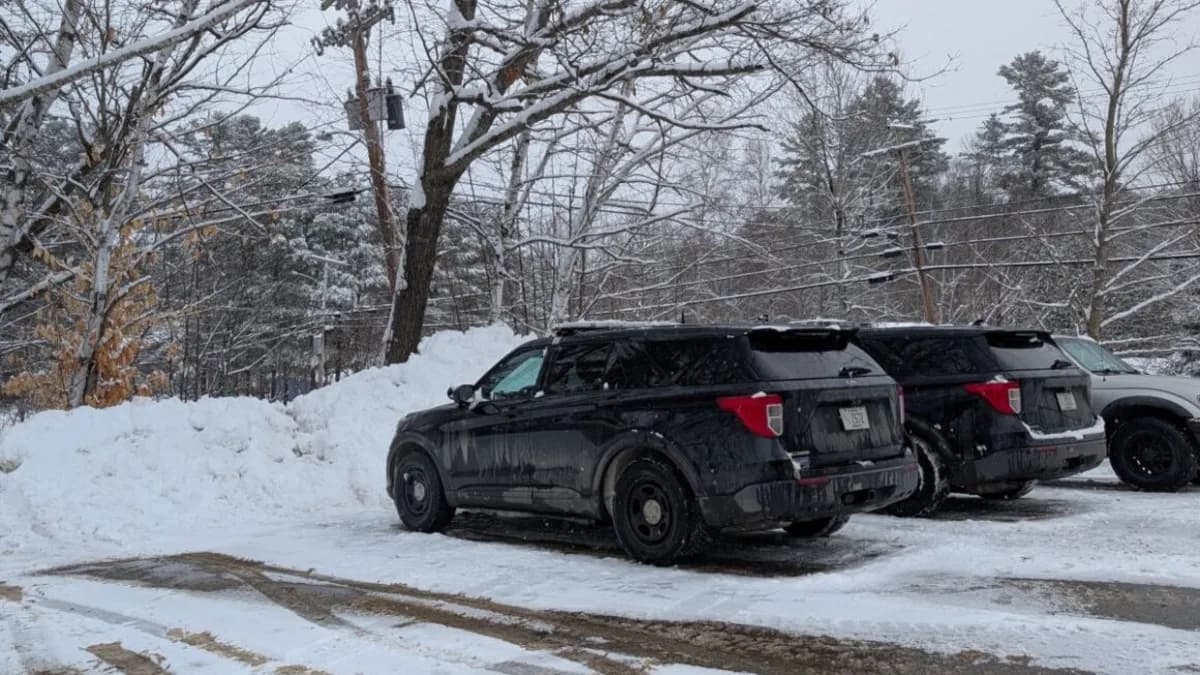
Another Maine police department uses an AI startup to write reports
The Maine Monitor follows Rockland Police Department as it becomes the second Maine agency in its reporting to adopt Code Four for AI-assisted report drafting.
Image: The Maine Monitor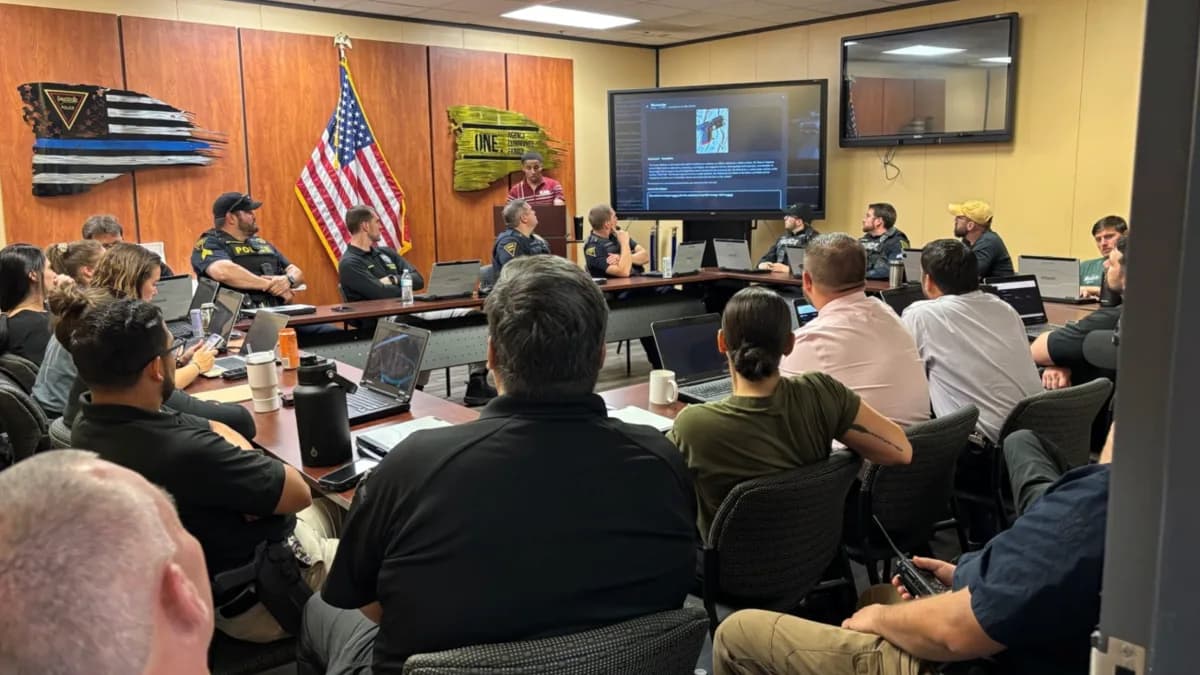
Balancing innovation and privacy: Fayetteville Police embrace CJIS-compliant AI to streamline report writing
The Greater Fayetteville Business Journal reports on the department’s six-month evaluation and rollout of Code Four to patrol officers and detectives, including supervisor review and CJIS controls.
Image: George Cheng via Greater Fayetteville Business Journal
Police AI platform uses ‘Easter eggs’ to verify human review
StateScoop covers how Code Four inserts seldom-used words into draft output so agencies can confirm an officer actually read and reviewed AI-assisted text before it enters the record.
Image: Getty Images via StateScoop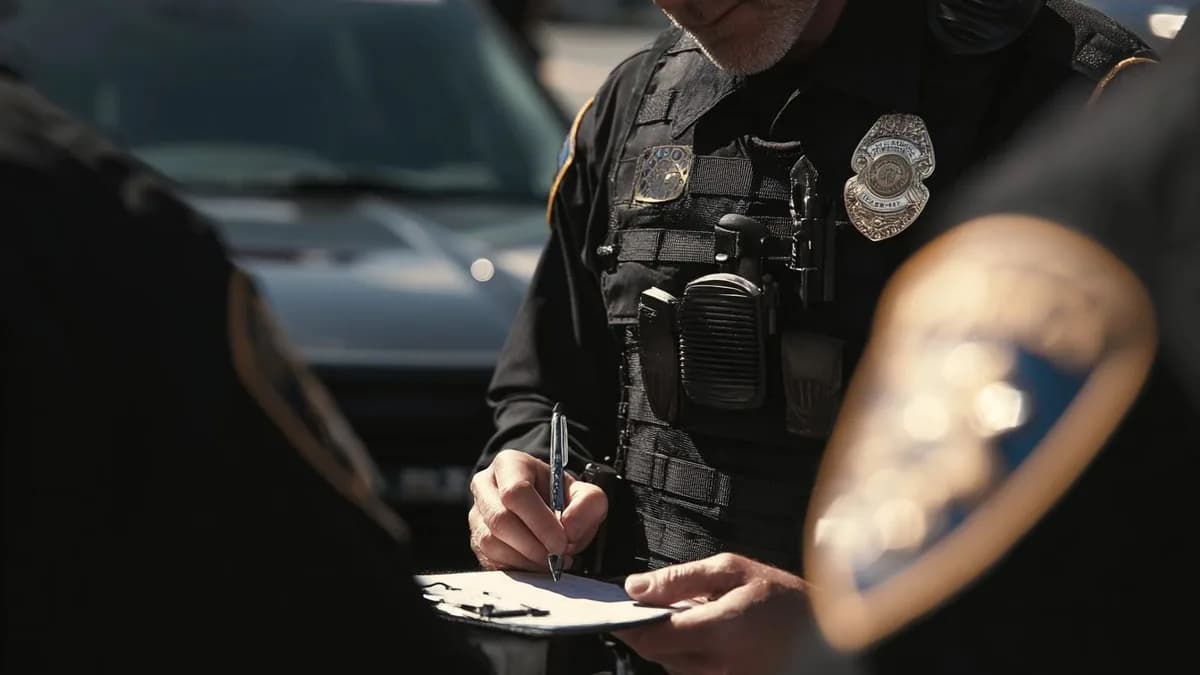
AI program geared to simplify and expedite police reports
The Salt Lake Business Journal interviews Code Four co-founder George Cheng about report drafting and evidence search across records systems, video, documents, and phone data.
Image: Salt Lake Business Journal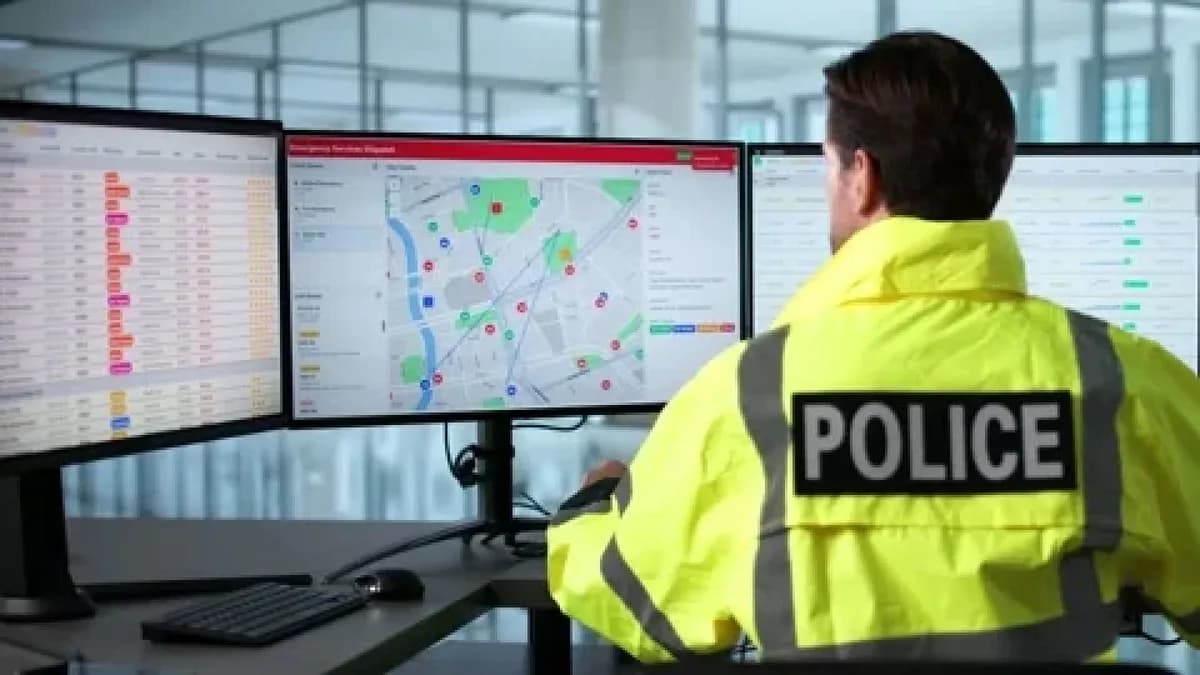
Platform connects digital evidence for detectives
Police1 profiles Code Four INSIGHTS as a single platform where detectives can search phone data, video, jail calls, and case records instead of switching between tools.
Image: Police1 / Lexipol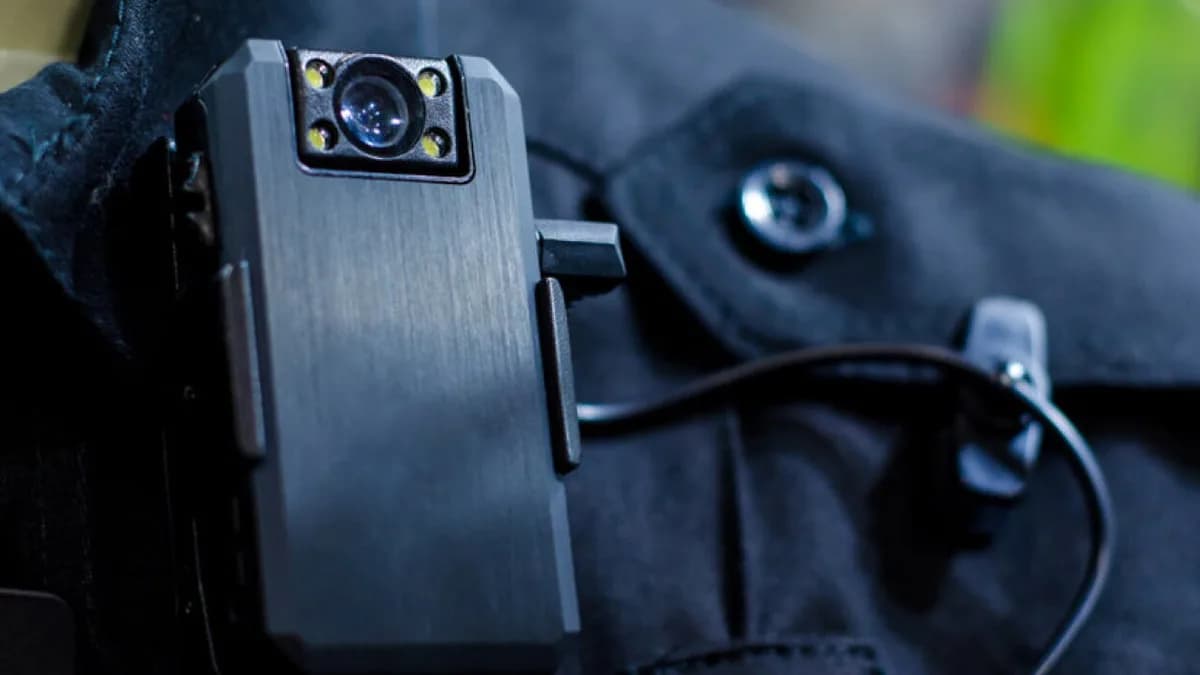
Should Idaho Police Use AI to Write Reports From Body Cam Footage?
Government Technology reports that Pocatello police have used Code Four for about a year to work through body-camera footage and produce draft reports officers review, and that Caldwell has since adopted it as well.
Image: Shutterstock via Government Technology
How to Safely Bring AI into Law Enforcement: The Case of AI-Generated Police Reports
The Federation of American Scientists examines how agencies can adopt AI report writing safely, listing Code Four among the vendors building law-enforcement-specific tools on top of general-purpose models and calling for clearer accuracy and disclosure standards.
Image: Federation of American Scientists
Heber City adopts policy guiding AI use by staff
After its pilot, Heber City adopted a citywide AI policy. The Park Record notes Code Four generates first drafts from body-camera video and audio, with human review governing what gets filed.
Image: Park Record
Durand Police Department experiments with Code Four AI for writing reports
WEAU visits Durand Police Department in Wisconsin as officers test Code Four for report drafting in a small-department environment.
Image: WEAU 13 News
April ‘radio hour’ highlights innovations across Maine
On The Maine Monitor’s monthly WERU radio hour, reporter Daniel O’Connor discusses how Wilton’s police department was among the first in the country to begin using Code Four, software that drafts reports from audio and video recorded by officers’ body cameras.
Image: The Maine Monitor / WERU 89.9 FM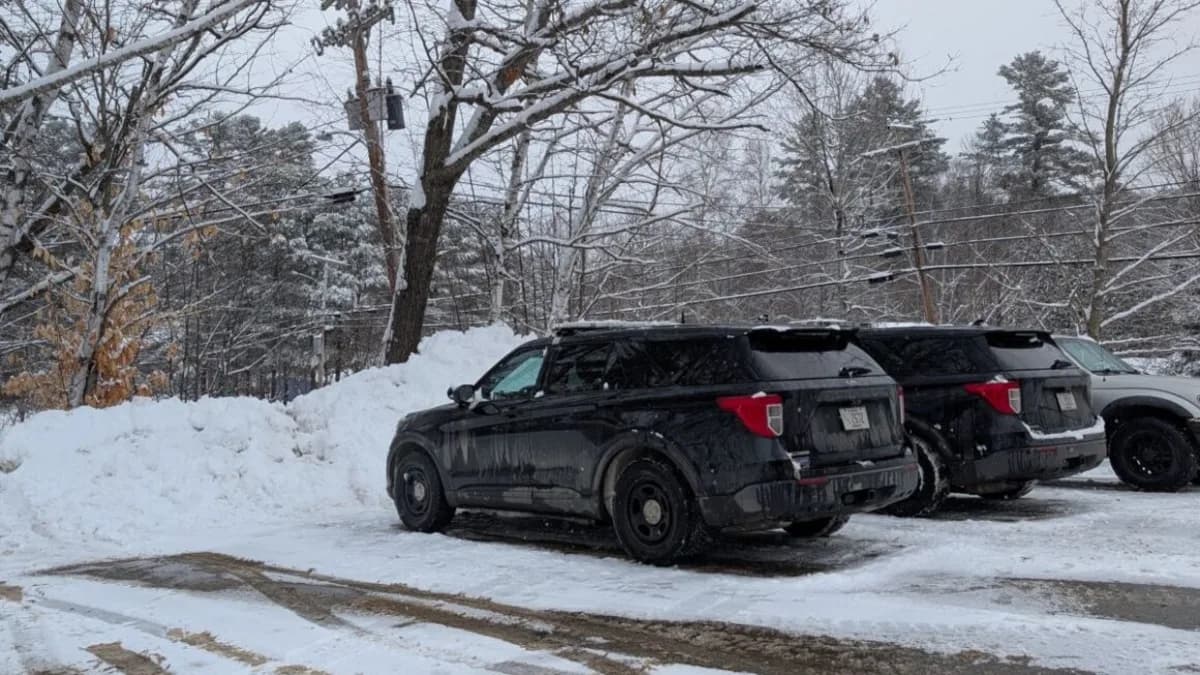
Wilton Police using AI to generate reports with software developed by 19-year-old tech CEO
The Maine Monitor examines Wilton Police Department’s Code Four pilot through interviews with the agency, a prosecutor, a researcher, and the company, including accuracy and court-readiness concerns.
Image: Daniel O’Connor / The Maine Monitor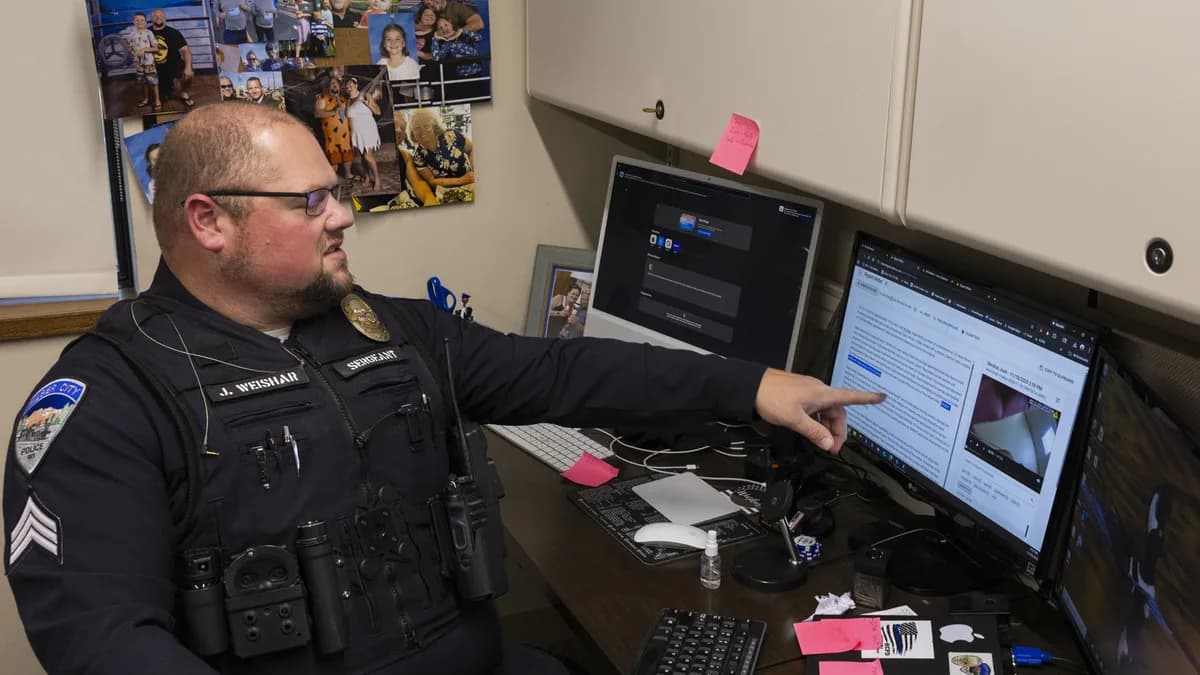
Heber City Police Department continues to be early adopter of AI
The Park Record follows up after Heber City’s pilot, reporting why the department purchased Code Four and how officers and supervisors review its report drafts.
Image: Michael Ritucci / Park Record
Amery police department uses AI to help create reports
WQOW News 18 reports from Amery, Wisconsin on how the department uses Code Four to help create reports while officers stay responsible for the final narrative.
Image: WQOW News 18
An AI-Generated Police Report Claimed a Cop Transformed Into a Frog
VICE recounts the Heber City frog report and identifies Draft One as the system that produced it, describing Code Four as the other tool in the same pilot and noting the department expected to keep some form of AI reporting afterward.
Image: VICE
Ribbit ribbit! Artificial Intelligence programs used by Heber City police claim officer turned into a frog
FOX 13 demonstrates Code Four during a staged traffic stop in Heber City and identifies Draft One, the competing system in the same pilot, as the source of the erroneous frog report.
Image: FOX 13 News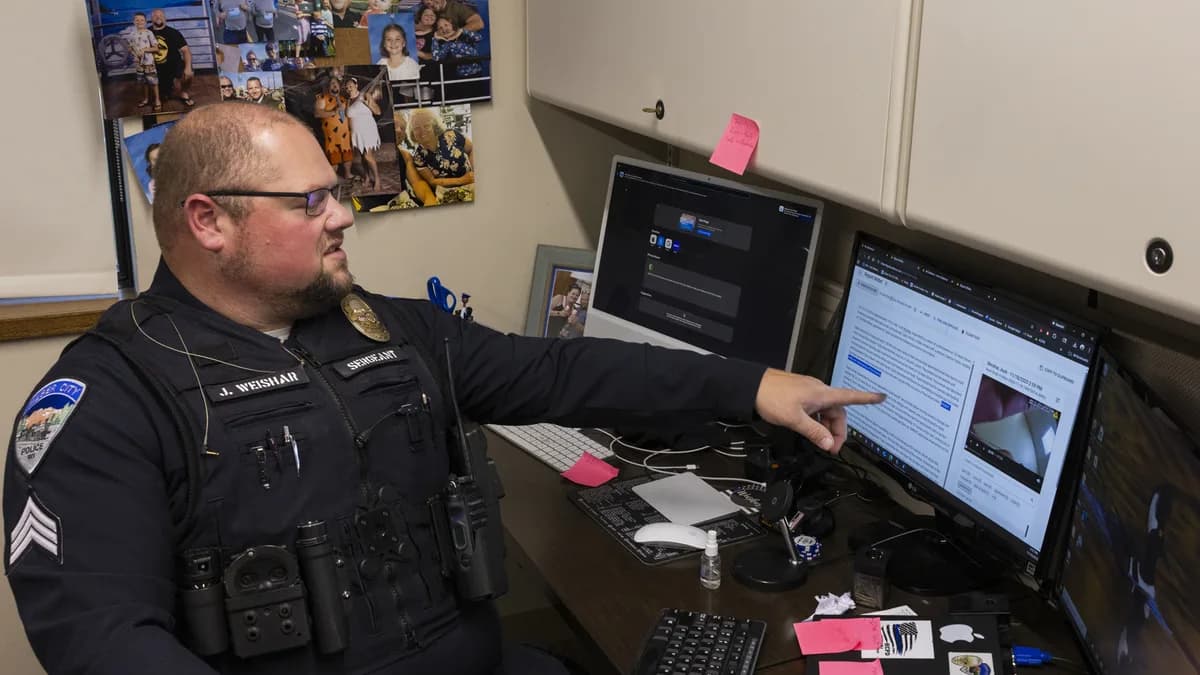
Heber City Police Department test-pilots AI software
The Park Record details Heber City Police Department’s pilot of Code Four to draft police reports from body-camera footage and audio.
Image: Park Record
Basalt Police Department deploys AI technology to save time doing reports, paperwork
The Sopris Sun reports on Basalt Police Department’s Code Four trial, where officers review and edit drafts generated from body-camera footage amid staffing shortages.
Image: Larry Day / The Sopris Sun
Pitch Deck: MIT Dropouts and Code Four Founders Arm Police With AI
Business Insider publishes the pitch deck Code Four used to raise its seed round, after the two 19-year-old MIT dropouts joined Y Combinator to build AI reporting tools for police departments.
Image: Business Insider
Code Four: Bringing Our Cops Home
Code Four’s Y Combinator launch introduces the company’s focus on modernizing the police workflow so officers spend less time on paperwork and more time in the community.
Image: Code Four