report
AI-powered report generation from body-cam footage.INSIGHTS
Search video, transcripts, narratives, and case timelines.redact
Redact faces, plates, audio, and documents for release.Flash
Mobile field capture for notes, photos, and follow-up.
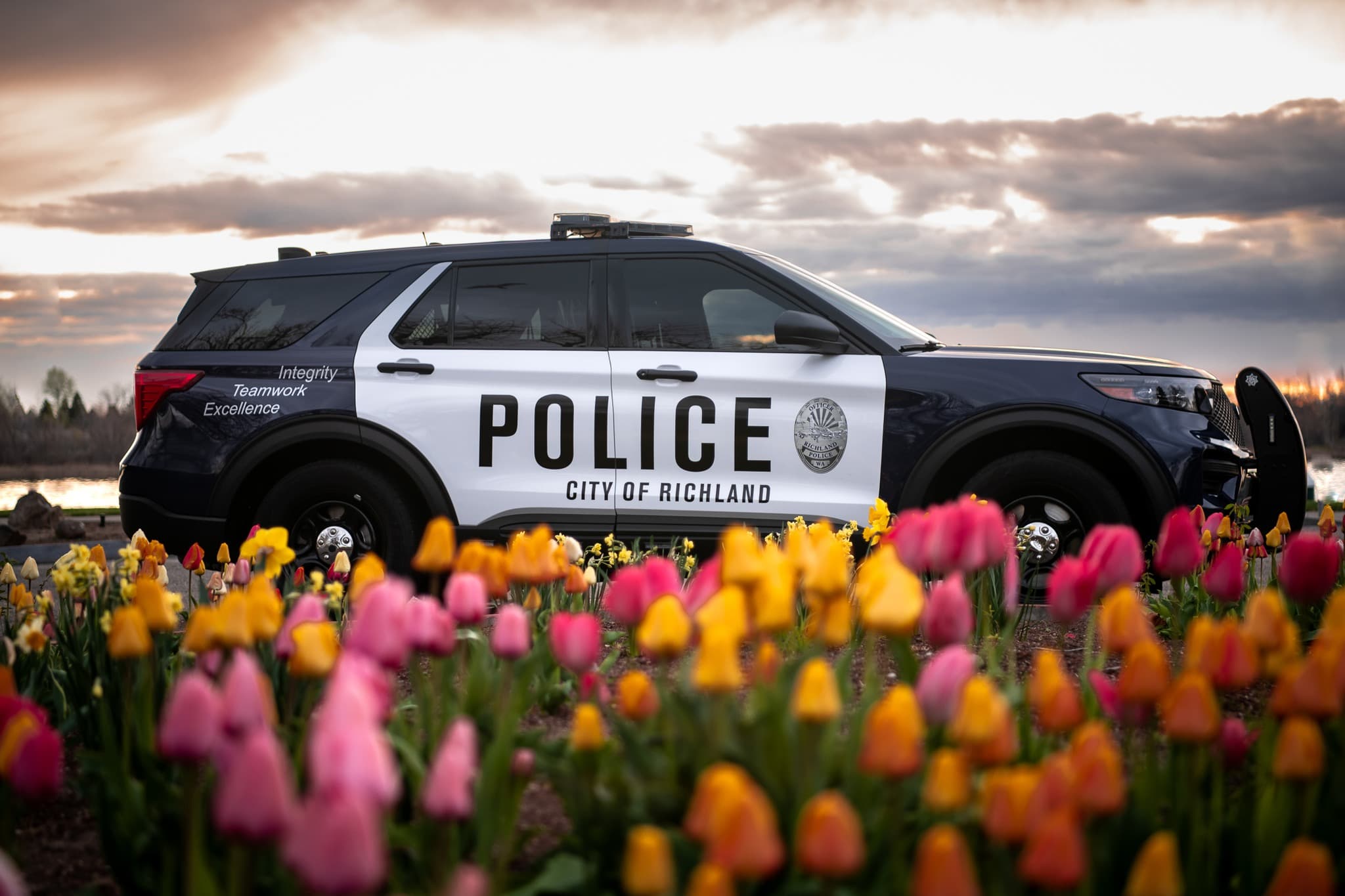
Richland Police Department Partners with Code Four to Support Patrol, CID, and School-Facing Casework
In Richland, Washington, Richland Police Department is working with Code Four to reduce reporting drag across drug and proactive investigations, serious follow-up investigations, and special-victims and sensitive investigations. The focus is faster first drafts, cleaner review, and more officer time back for calls and follow-up.
Supporting Patrol and Complex CID Work
Richland's documentation load spans more than basic patrol. The department's public materials show four major sections overall, with an investigation software Division that handles homicides, violent assaults, sexual assaults, fatal collisions, and technology-related offenses. That division is built around three specialized teams: Criminal Investigations, Street Crimes, and the Southeast Regional Internet Crimes Against Children Taskforce. Richland also places School Resource Officers under the Criminal Investigations Division because juvenile crime often surfaces at schools.
That mix creates a real documentation challenge. Reports have to work for patrol, but they also need to hold up once a case moves into specialized follow-up work.
A Cleaner Handoff into Specialized Casework
Code Four can help Richland officers move from footage, notes, and field observations into a more structured first draft earlier in the reporting cycle. That is useful not only for patrol narratives but also for cases that escalate into collision review, violent-crime follow-up, juvenile investigation, or digital-evidence work.
A better first draft means a better handoff. Detectives and supervisors get something clearer to work from, and officers spend less time reassembling the same sequence later.
Why the Fit Is Specific to Richland
Richland's own investigations page makes clear that the division is built for high-complexity work, not just routine follow-up. That makes documentation quality a real operational issue rather than a marketing talking point.
Built to Work with Existing Operations
Code Four is built to work alongside existing records and reporting processes, which makes rollout more practical and keeps the focus on immediate workflow gains. Richland can evaluate the platform where it matters most: inside patrol reporting, supervisor review, and the handoff into CID.
That approach keeps implementation grounded and aligned with the way the department already operates.
How this case study connects to report writing and investigations.
See where the field result maps inside Code Four: police report writing software, investigation software, and digital evidence analysis.
AI police report writing
See how Code Four turns body-worn camera footage, transcripts, CAD context, and officer notes into source-linked police report drafts.
AI investigation software
Connect case files, transcripts, video, call logs, and investigative context into searchable case intelligence for follow-up work.
Digital evidence analysis
Review the dedicated guide for police investigation software, data fusion, digital evidence processing, and case intelligence.
Run a similar department?
See how Code Four works with your bodycam and RMS systems in a live demo, from AI police report writing to investigation software.
Related Case Studies


Pasco Police Department Partners with Code Four to Support District Policing and Detective Casework
Santa Barbara Police Department Partners with Code Four to Keep Reporting Pace with Year-Round Coastal Tourism Demand
