report
AI-powered report generation from body-cam footage.INSIGHTS
Search video, transcripts, narratives, and case timelines.redact
Redact faces, plates, audio, and documents for release.Flash
Mobile field capture for notes, photos, and follow-up.
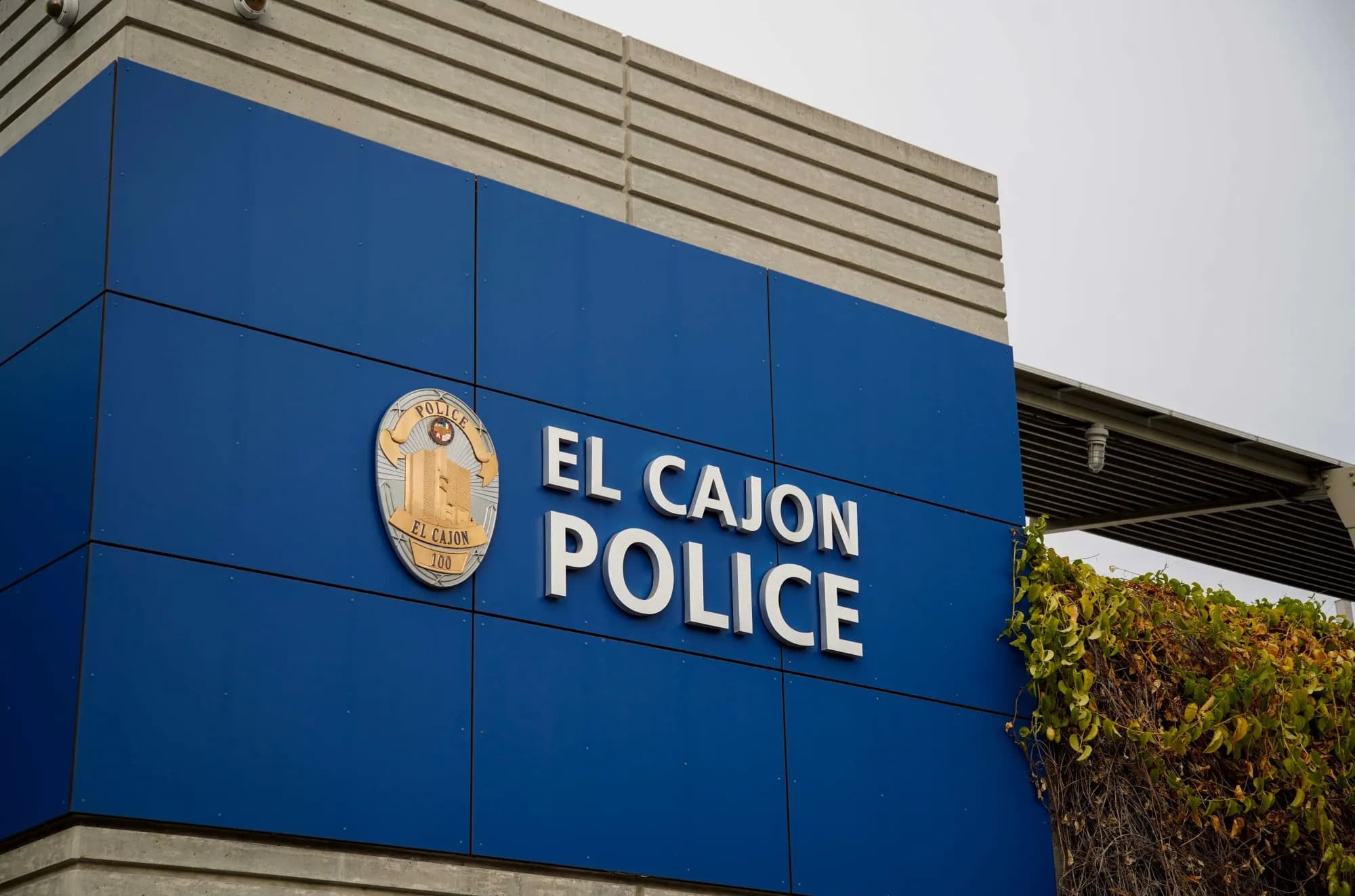

El Cajon Police Department Partners with Code Four to Support Property, Violent-Crime, and Family-Protection Reporting
In El Cajon, California, El Cajon Police Department is working with Code Four to reduce reporting drag across drug and proactive investigations, serious follow-up investigations, and property and follow-up casework. The focus is faster first drafts, cleaner review, and more officer time back for calls and follow-up.
One Case Can Move Across Multiple Investigative Units
El Cajon Police Department publicly lays out a highly segmented investigative structure. Its investigation software page says the District Investigations Unit handles property crimes including theft, auto theft, fraud and vandalism; the Major Crimes Unit handles homicides, missing persons, and other crimes of violence; the Special Investigations Unit handles gang, narcotic, vice, and fugitive investigations; and the Family Protection Unit is responsible for domestic violence, crimes against children, sex crimes, and related offender registration. The department also says its Gang Street Team consists of one sergeant and four officers, while the Metropolitan Division assigns specially trained officers to each of the city’s four major high school campuses.
That means the first report has to do more than close out a call. It often needs to support immediate detective assignment, prosecution prep, or school-based follow-up.
A Stronger First Draft for Patrol, Detectives, and Metro Teams
Code Four can help El Cajon officers move from field notes, footage, witness detail, and victim information into a cleaner first draft earlier in the process. That matters when a case starts with patrol but then moves into property-crime investigation, major-crimes work, gang suppression, narcotics follow-up, or family-protection review.
A stronger first draft can preserve chronology, reduce back-and-forth, and make the transition into specialized units much cleaner.
Why the Fit Is Specific to El Cajon
El Cajon's public police pages already show why this fit is department-specific: separate units for violent crime, property crime, gang and narcotics work, family protection, school-resource coverage, and proactive metro enforcement. That is a reporting environment where clarity on the front end affects everything downstream.
Designed Around ECPD’s Existing Investigative Structure
Code Four is designed to support El Cajon's existing report-writing and review process without forcing the department to replace the systems already used by patrol, detectives, or specialized teams. The rollout can stay focused on the moments where time is usually lost: the first narrative, the first supervisor pass, and the first detective handoff.
That keeps implementation practical while fitting the department's current bureau and unit structure.
How this case study connects to report writing and investigations.
See where the field result maps inside Code Four: police report writing software, investigation software, and digital evidence analysis.
AI police report writing
See how Code Four turns body-worn camera footage, transcripts, CAD context, and officer notes into source-linked police report drafts.
AI investigation software
Connect case files, transcripts, video, call logs, and investigative context into searchable case intelligence for follow-up work.
Digital evidence analysis
Review the dedicated guide for police investigation software, data fusion, digital evidence processing, and case intelligence.
Run a similar department?
See how Code Four works with your bodycam and RMS systems in a live demo, from AI police report writing to investigation software.
Related Case Studies


Santa Barbara Police Department Partners with Code Four to Keep Reporting Pace with Year-Round Coastal Tourism Demand
Fullerton Police Department Partners with Code Four to Manage University-Area, Commercial, and Residential Casework at Scale
