Reports Have to Support Patrol Calls and Deeper Follow-Up Work
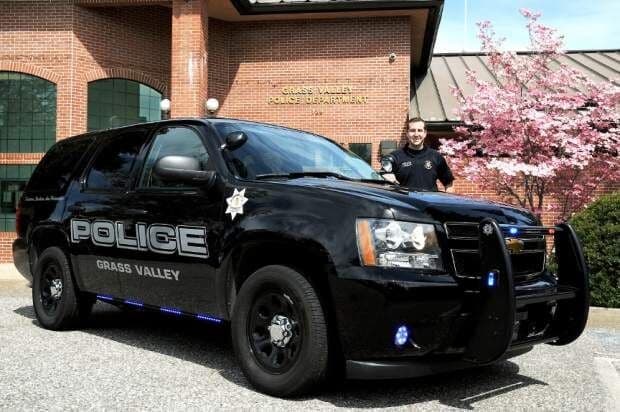
Grass Valley Police Department's public division page shows a structure that reaches beyond routine patrol. The department highlights Patrol, Records, Detective, Property and Evidence, and a Strategic Response Team. The same page says the Detective Division serves the investigative functions of the agency, while the Strategic Response Team is a task force dedicated to addressing community quality-of-life issues.
That means reports have to do more than close out the first call. A patrol narrative may need to support a felony follow-up, evidence handling, or a quality-of-life case that requires a more sustained enforcement response.
A Better Draft for Patrol, Detectives, and Strategic Enforcement
Code Four can help Grass Valley officers move from incident details, notes, and evidence-linked facts into a cleaner first draft earlier in the process. That matters when patrol activity has to feed detective AI tools, property-and-evidence handling, or the strategic-response work tied to repeat community issues.
A stronger first draft can reduce repetitive cleanup, preserve chronology, and make the handoff to investigators or specialty officers more usable from the start.
What we built for them
Grass Valley runs five core sections for a city of 14,074. Drafts from footage keep patrol narratives consistent before they feed detectives or property and evidence.
The Strategic Response Team works repeat community issues. Searching past contacts by location or person shows the pattern behind a recurring call.
What we're watching
These are the signals that will tell us whether it's working here:
- Repeat-location calls linked to prior reports
- Evidence items tied to the narrative at intake
- Patrol reports finished the same shift
Figures on this page come from the department's own published materials. We only publish Code Four results after the department reviews them.