report
AI-powered report generation from body-cam footage.INSIGHTS
Search video, transcripts, narratives, and case timelines.redact
Redact faces, plates, audio, and documents for release.Flash
Mobile field capture for notes, photos, and follow-up.
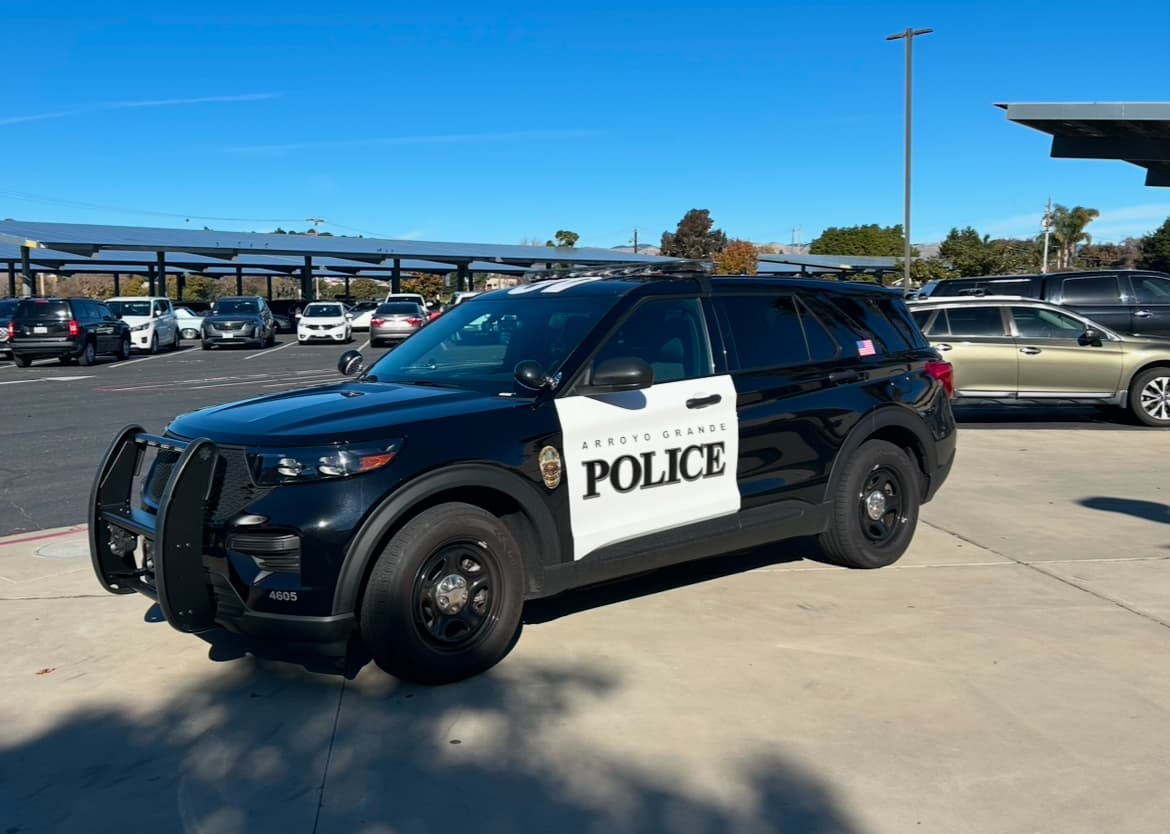
Arroyo Grande Police Department Partners with Code Four to Support Patrol-to-Detective Casework
In Arroyo Grande, California, Arroyo Grande Police Department is working with Code Four to reduce reporting drag across serious follow-up investigations, property and follow-up casework, and special-victims and sensitive investigations. The focus is faster first drafts, cleaner review, and more officer time back for calls and follow-up.
When Patrol Hits the Limit of a Case
Arroyo Grande Police Department’s own investigation software page lays out a specific workflow problem. Patrol officers handle most preliminary investigations, but some incidents demand specialized investigative expertise, outside-agency coordination, or a larger investment of time and personnel. When that happens, cases move through supervisory review and into the Investigations Section for assignment based on complexity. The department says that work ranges from assaults, burglaries, thefts, robberies, fraud, and identity theft to sex crimes and even the rare homicide.
That makes documentation quality more than a routine patrol issue. The first report has to be strong enough to support the next stage without forcing detectives to rebuild the case file from the ground up.
A Better Draft Before the Case Reaches Detectives
Code Four can help Arroyo Grande officers move from field notes, evidence details, and incident chronology into a cleaner first draft earlier in the process. That matters in a department where the same case may begin with patrol, move through a supervisory review, and then shift into detective follow-up or outside-agency coordination.
A stronger first draft can reduce repetitive cleanup, preserve sequence, and improve the handoff between Patrol Services and the Investigations Section.
Why the Fit Is Specific to Arroyo Grande
That fit matters for Arroyo Grande PD because workloads around report drafting, review queues, and follow-up workflows create steady pressure on both caseload and review. Faster first drafts give officers, supervisors, and investigators a shorter path through paperwork and more time back for field work and follow-up.
Built Around Patrol Services and Support Services
Code Four is designed to support the report-writing step without forcing Arroyo Grande to replace the systems already used in patrol, records, or detective review. The rollout can stay focused on the moments where time is usually lost: the first narrative, the first supervisor pass, and the first detective handoff.
That keeps implementation grounded in actual workflow pressure.
How this case study connects to report writing and investigations.
See where the field result maps inside Code Four: police report writing software, investigation software, and digital evidence analysis.
AI police report writing
See how Code Four turns body-worn camera footage, transcripts, CAD context, and officer notes into source-linked police report drafts.
AI investigation software
Connect case files, transcripts, video, call logs, and investigative context into searchable case intelligence for follow-up work.
Digital evidence analysis
Review the dedicated guide for police investigation software, data fusion, digital evidence processing, and case intelligence.
Run a similar department?
See how Code Four works with your bodycam and RMS systems in a live demo, from AI police report writing to investigation software.
Related Case Studies


Santa Barbara Police Department Partners with Code Four to Keep Reporting Pace with Year-Round Coastal Tourism Demand
Fullerton Police Department Partners with Code Four to Manage University-Area, Commercial, and Residential Casework at Scale
