What I found when we looked closer
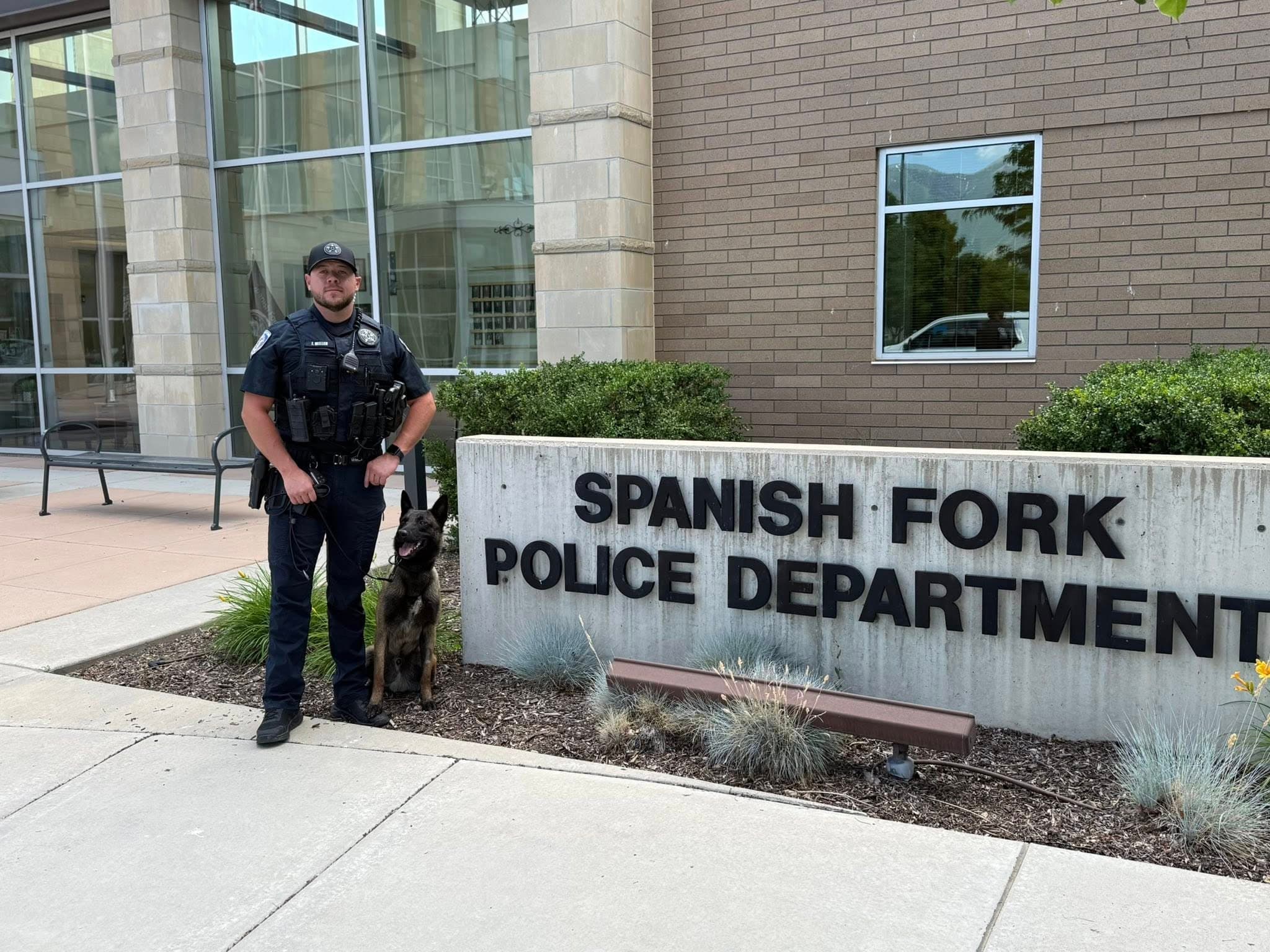
Spanish Fork’s annual public safety report shows a department with real investigative depth. Its Investigative Division handles cases involving arson, burglary, robbery, theft, forgery, fraud, homicide, assault, kidnapping, sex offenses, drug trafficking, pornography violations, and death investigation software. The same report shows a sergeant directly supervising eight detectives, along with assignments that include a drug officer, Utah County Major Crimes Task Force work, and school resource officers. On the patrol side, the department logged 23,321 calls for service in 2021 while maintaining 24-hour police response.
That mix creates a documentation problem that is bigger than routine AI police report writing. A patrol narrative may need to support school-based follow-up, major-crimes review, or detective casework without being rebuilt from scratch.
Following one report through the building
The first thing we do with a new department is trace where a report goes after the officer hits submit. Here, it passes through 5 hands:
- 1Patrol (24-hour response)
- 2Sergeant
- 3Eight detectives
- 4Utah County Major Crimes Task Force
- 5School resource officers
Every one of those readers needs the same facts from the first draft. That is what shaped what we built.
What we built for them
The Investigative Division handles everything from forgery to homicide and death investigations. Insights lets detectives search across that caseload by person, place, or statement.
With 23,321 calls in a year, patrol narratives are the input for most of those cases. Better drafts from footage mean fewer reports bounced back from the detective bureau.
Sex-offense and juvenile cases from school resource work need careful handling before any footage is shared.
What we're watching
These are the signals that will tell us whether it's working here:
- Detective requests for patrol report corrections
- Time to prepare a task-force case packet
- Calls documented before end of shift
Figures on this page come from the department's own published materials. We only publish Code Four results after the department reviews them.