A Growing City Where Patrol Reports Feed Detective Work
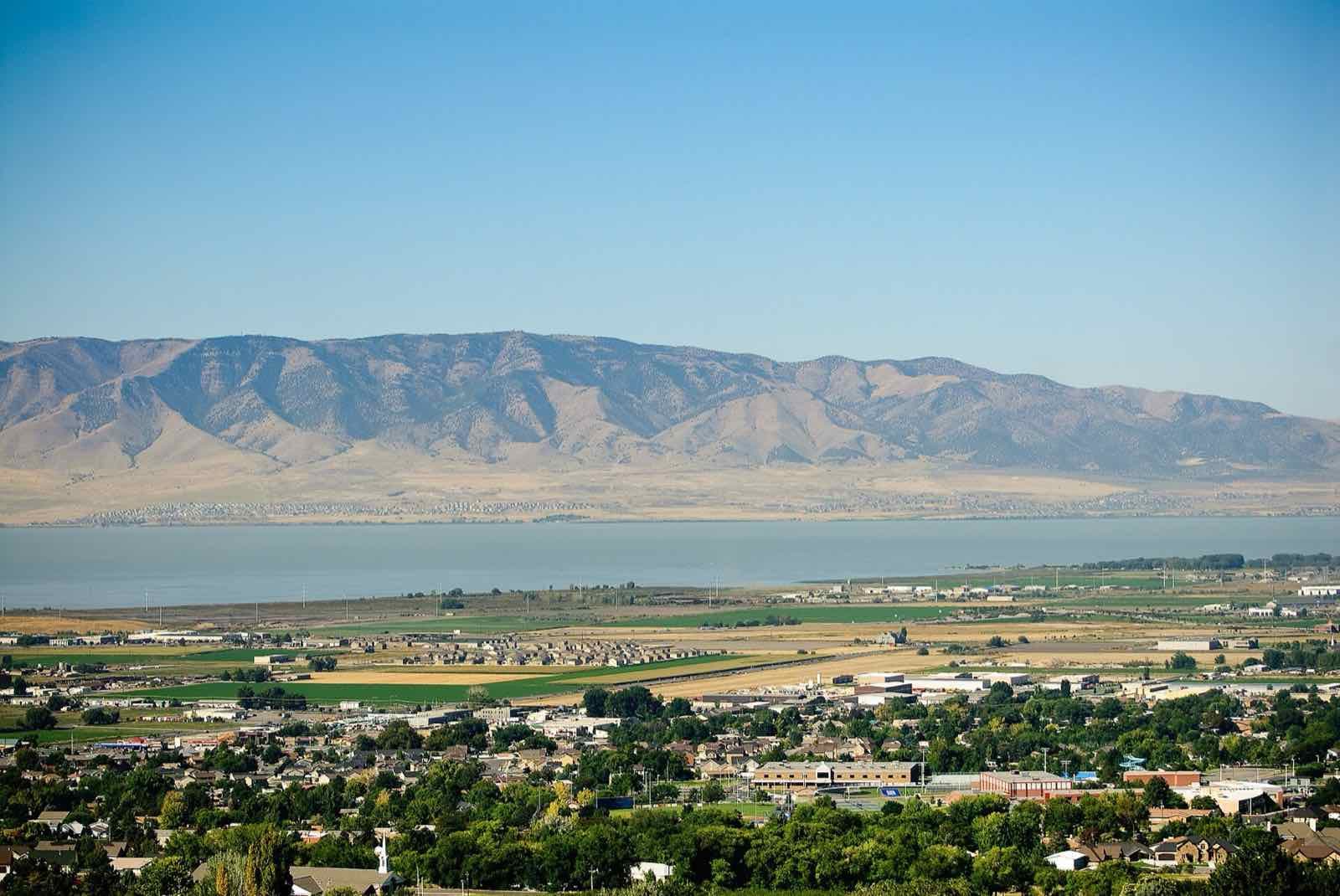
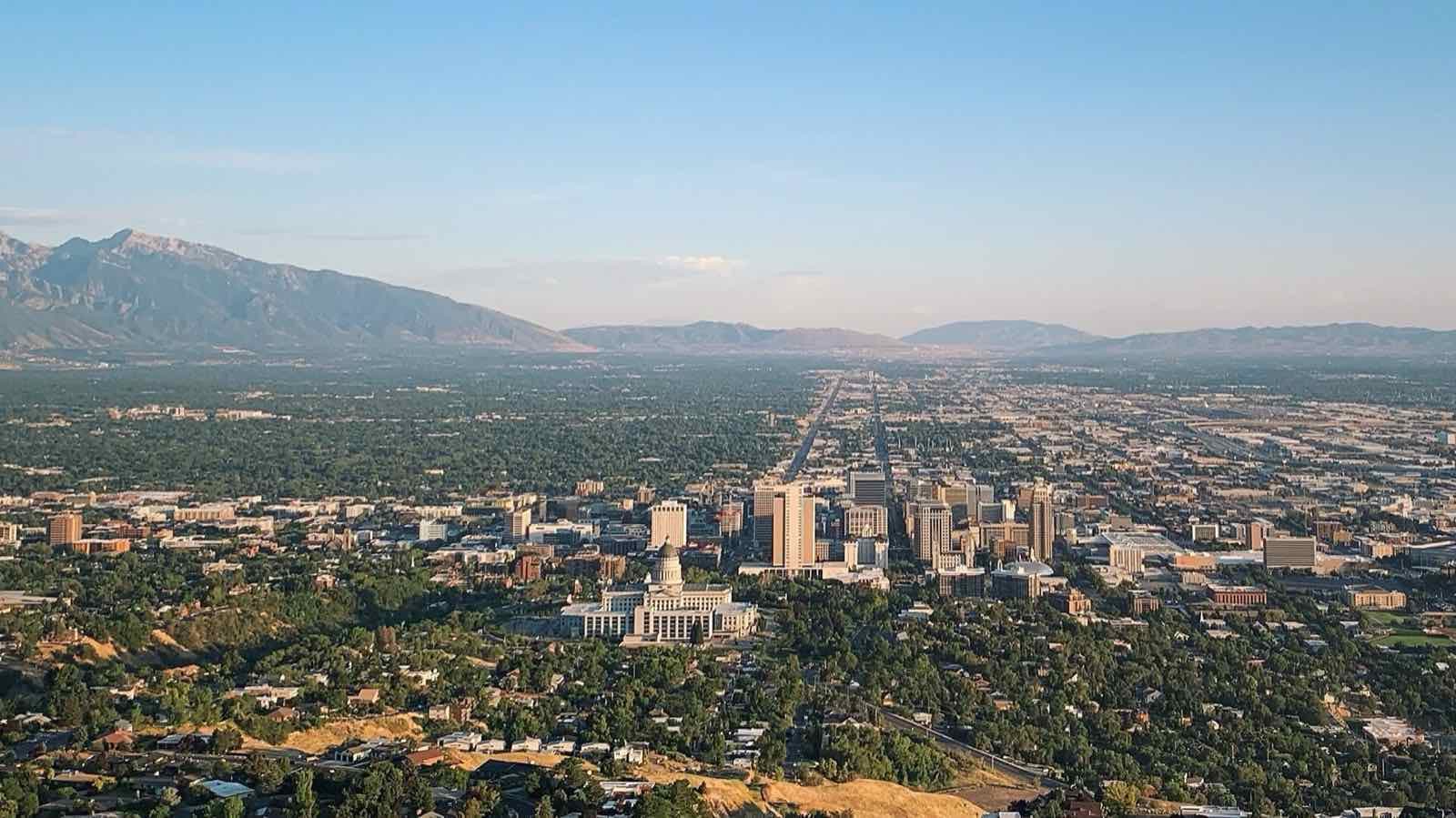
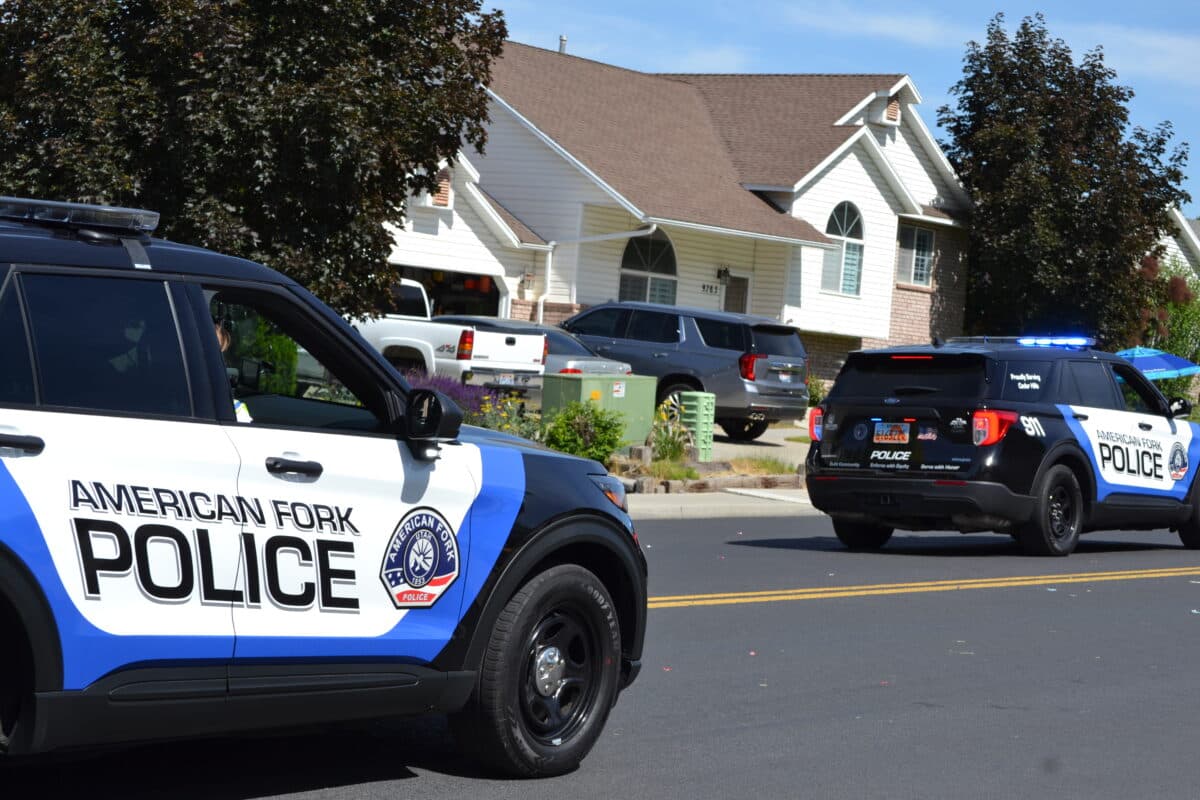
American Fork Police Department serves a fast-growing community along Utah's Wasatch Front. The department's public materials describe a structure that includes patrol, criminal investigations, traffic enforcement, and school-resource officer assignments. As the city grows, so does the call volume, the case complexity, and the documentation burden on officers who need to move quickly between responding and reporting.
That creates a practical problem: the first report has to support both immediate patrol review and later detective or school-based follow-up without being rebuilt from scratch when a case escalates.
A Stronger First Draft for Patrol, Detectives, and School Safety
Code Four can help American Fork officers move from call details, footage, and field notes into a cleaner first draft earlier in the process. That matters when a department is handling growing patrol volume while also supporting detective casework, traffic investigations, and school-resource coordination.
A stronger first draft can reduce repetitive cleanup, preserve chronology, and give detectives a more usable starting document when patrol work becomes investigative follow-up.
What we built for them
What we're watching
These are the signals that will tell us whether it's working here:
- Reports per officer per shift as calls grow
- Traffic reports completed at the scene
- Detective handoffs without a rewrite
Figures on this page come from the department's own published materials. We only publish Code Four results after the department reviews them.