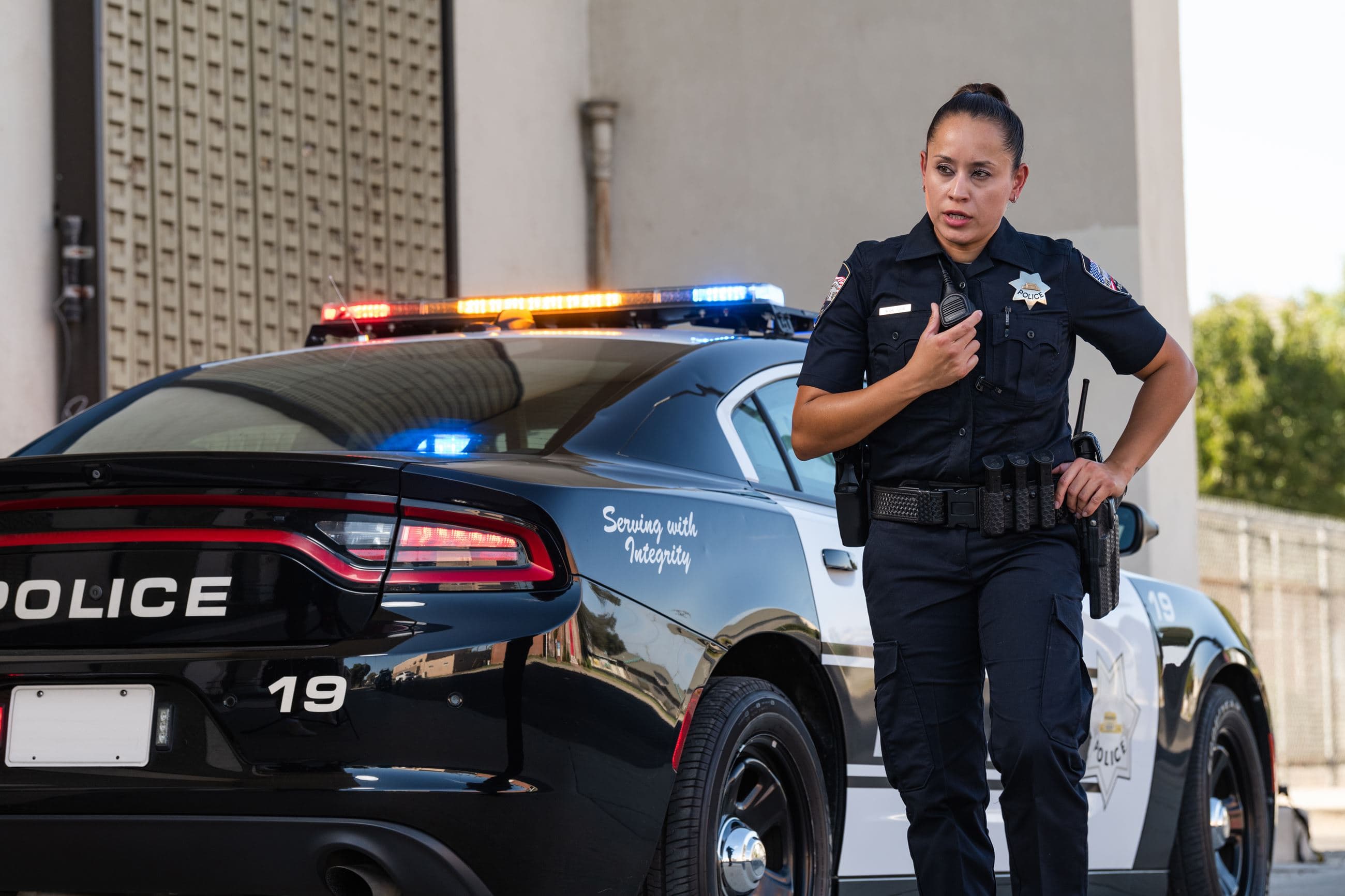
Autonomous vehicles will not remove police work from the road. They will change what officers and investigators need to understand after a stop, crash, complaint, or public safety incident.
The future of policing, AI, and autonomous vehicles is really a future of evidence complexity. More systems will produce more data. Agencies will need better tools to interpret that data without losing sight of the human situation officers are responding to.
Traffic Stops Will Get More Technical
As driver-assistance systems and autonomous features become more common, traffic incidents will involve new questions. Was the vehicle under manual control? Was a driver-assistance feature active? Did the driver intervene? What did the vehicle perceive? What data exists from the vehicle, nearby cameras, body-worn cameras, or dispatch?
Officers will still need to document what they saw and heard. Investigators may also need to connect that account to vehicle data, video evidence, crash reports, witness statements, and roadway context.
That is a data-fusion problem. It is also a report-writing problem.
Crash Investigations Will Depend on More Evidence Sources
Crash investigation software has always relied on careful documentation. Autonomous vehicle features add another layer: sensor logs, telematics, software states, event data, photos, videos, roadway conditions, and human statements may all matter.
AI can help organize those sources. It can extract timeline events, identify conflicts between statements and video, group related media, and prepare first-pass summaries. But the conclusions still need trained human review.
Police AI tools should make crash investigations easier to inspect, not harder to explain.
Public Safety Will Need Better Digital Evidence Analysis
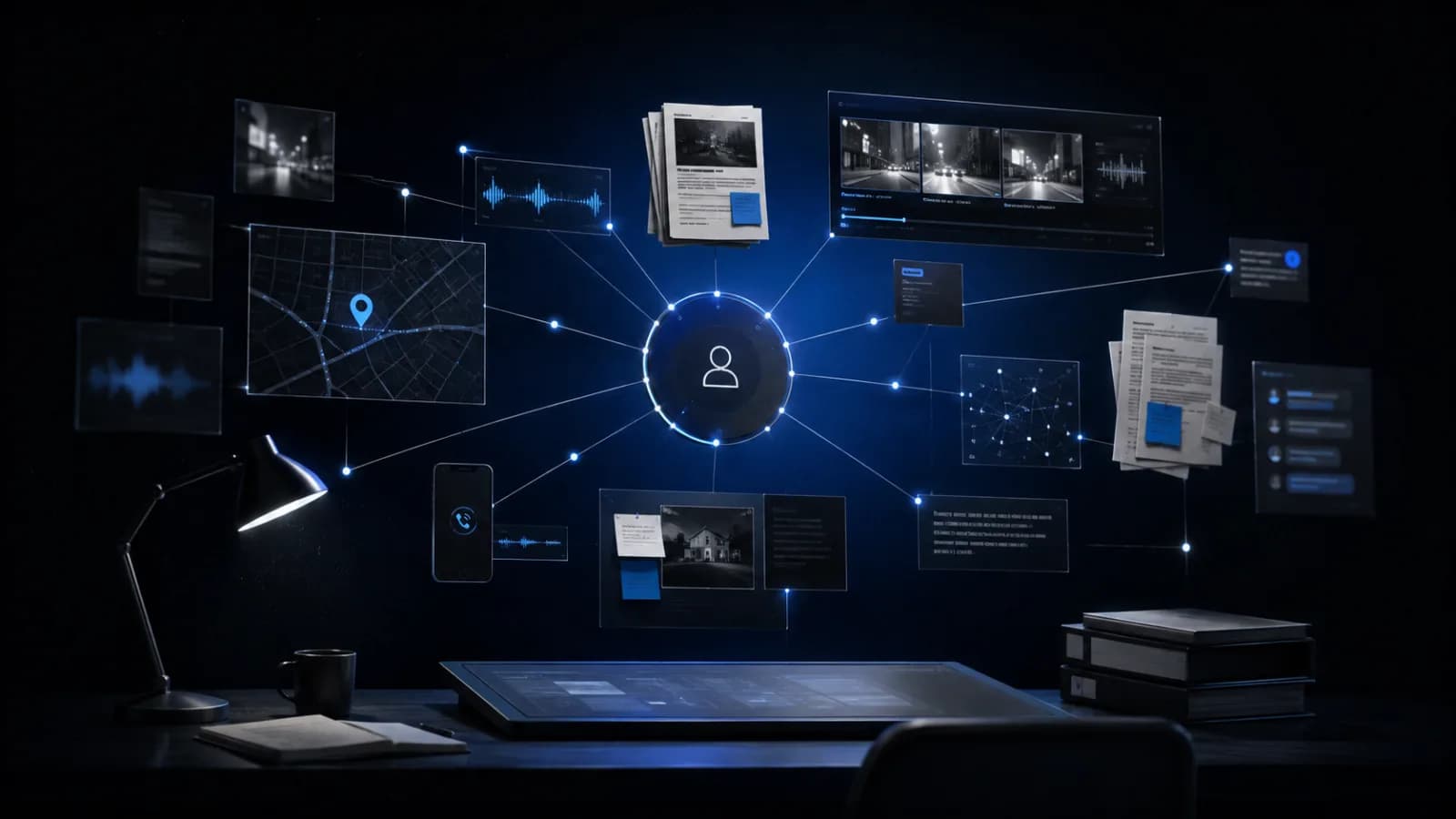
Autonomous vehicles will create more digital evidence around everyday policing. A single traffic incident could involve body-camera footage, dash camera footage, fixed camera footage, vehicle data, dispatch records, witness phone video, and follow-up interviews.
Without good evidence analysis, agencies risk spending more time finding the right material than understanding the incident. AI investigation software for police can help by turning mixed evidence into a timeline, linking facts back to source files, and making key moments searchable.
That same pattern applies beyond traffic. The future of policing will involve more sensors, more video, more audio, and more records in nearly every case type.
Officers Still Need Tools Built Around Their Workflow
AI should not force officers to become data engineers. If an officer is documenting a crash, traffic complaint, reckless driving call, or incident involving an autonomous vehicle, the tool should help capture the report while the context is fresh.
Mobile field notes, body-camera review, source-linked report drafts, and case follow-up should connect naturally. A traffic report may later become part of an investigation. The evidence trail should stay intact.
That is why the future of AI in policing is not just analysis. It is workflow design.
The Responsible Path
There is a real difference between using AI to process evidence and using AI to make enforcement decisions. Agencies should be careful about that boundary.
AI can help summarize video, search transcripts, organize crash evidence, draft reports, and identify records that need review. It should not silently decide fault, replace officer judgment, or hide uncertainty in a polished paragraph.
The right standard is source-linked assistance. Every important claim should be reviewable against the underlying evidence.
What Agencies Should Prepare For
Police departments should expect autonomous vehicles and AI to increase the amount of technical evidence in traffic and crash workflows. They should also expect officers and investigators to need software that connects that evidence to normal agency work.
The practical future is not a separate autonomous vehicle desk with disconnected tools. It is a broader law enforcement AI platform that can support AI police report writing, digital evidence analysis, investigation timelines, and human review across new evidence types.
That is where Code Four is focused: helping agencies handle the evidence environment that is arriving now, while keeping officers and investigators responsible for the final judgment.