Jail calls can contain important investigative context, but they are hard to review at scale. A single case may include hours of recorded audio, repeated speakers, indirect language, background noise, and references that only make sense when compared with reports, phone data, or other evidence.
Jail call analysis AI can help investigators move faster, but only if it is designed for source-linked review. The point is not to replace careful listening. The point is to make the right moments easier to find and verify.
What Jail Call Analysis AI Can Do
In an investigation software workflow, AI can support jail call review by:
Transcribing recorded calls into searchable text
Separating speakers when possible
Extracting names, nicknames, addresses, vehicles, phone numbers, dates, and locations
Finding repeated phrases, contacts, or subjects across multiple calls
Building timelines around calls and related case events
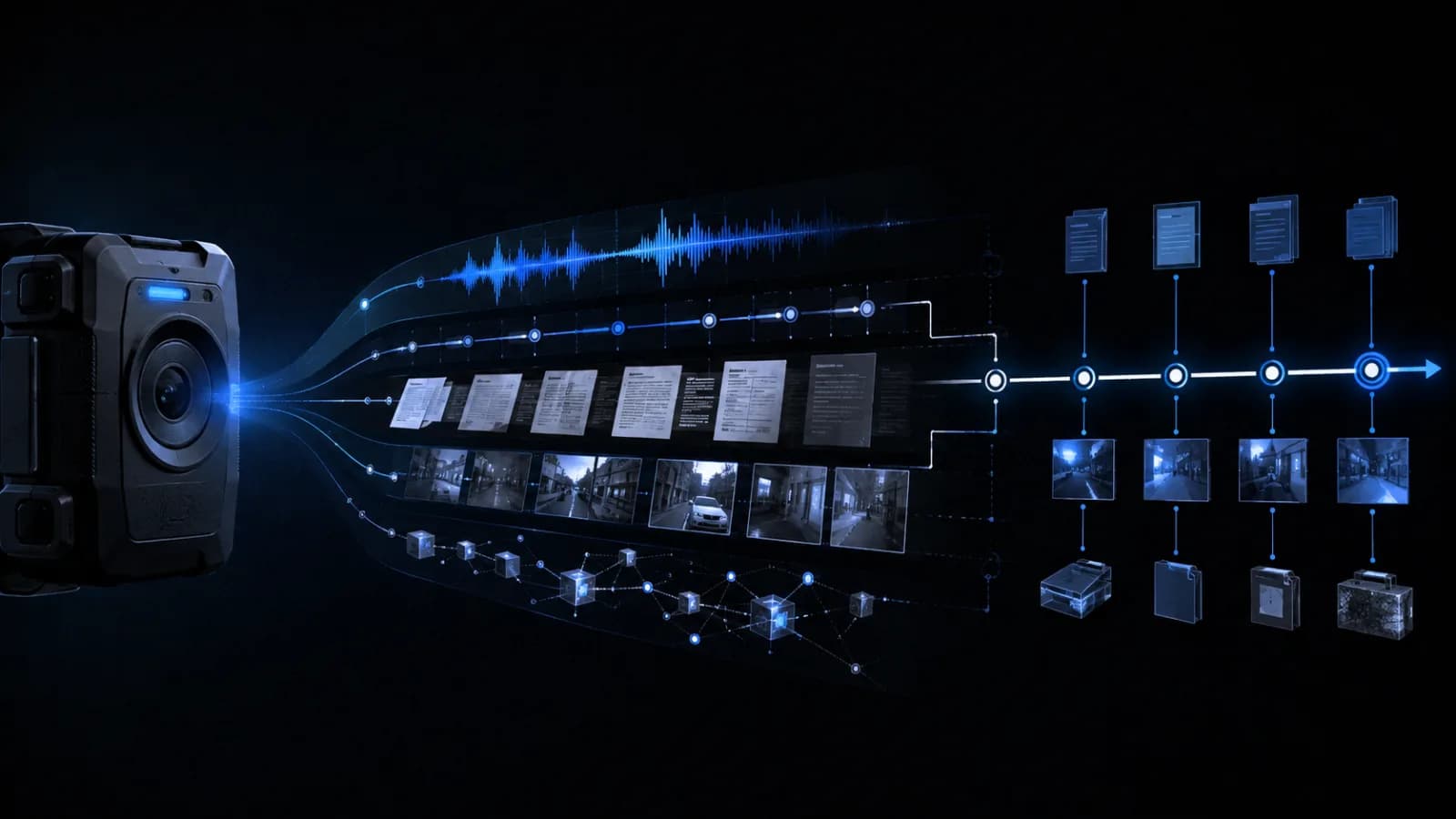
Linking transcript snippets back to the original audio timestamp
Generating draft summaries for investigator review
Those capabilities are valuable because investigators rarely review jail calls in isolation. A call may mention a vehicle from a patrol report, a phone number from a phone dump, or a location that appears in another case file.
Why Search Alone Is Not Enough
Basic keyword search helps, but it breaks down quickly. People use nicknames. They avoid direct language. They switch topics. They reference events indirectly. They may use different phone numbers or have several contacts connected to the same person.
AI can help by grouping related entities and surfacing connections a keyword search might miss. For example, an investigator may need to know whether a caller mentioned a specific address, a vehicle description, or a person who appears in RMS records under another name.
The output still needs human review. The investigator should be able to open the exact audio segment, inspect the transcript, compare it with the rest of the case, and decide whether the lead is meaningful.
How Jail Calls Fit Into Case Intelligence
Jail call analysis becomes more useful when it is connected to the rest of the investigation. A recorded call can be compared with body-camera transcripts, field interviews, incident reports, phone data, photos, and external-source findings.
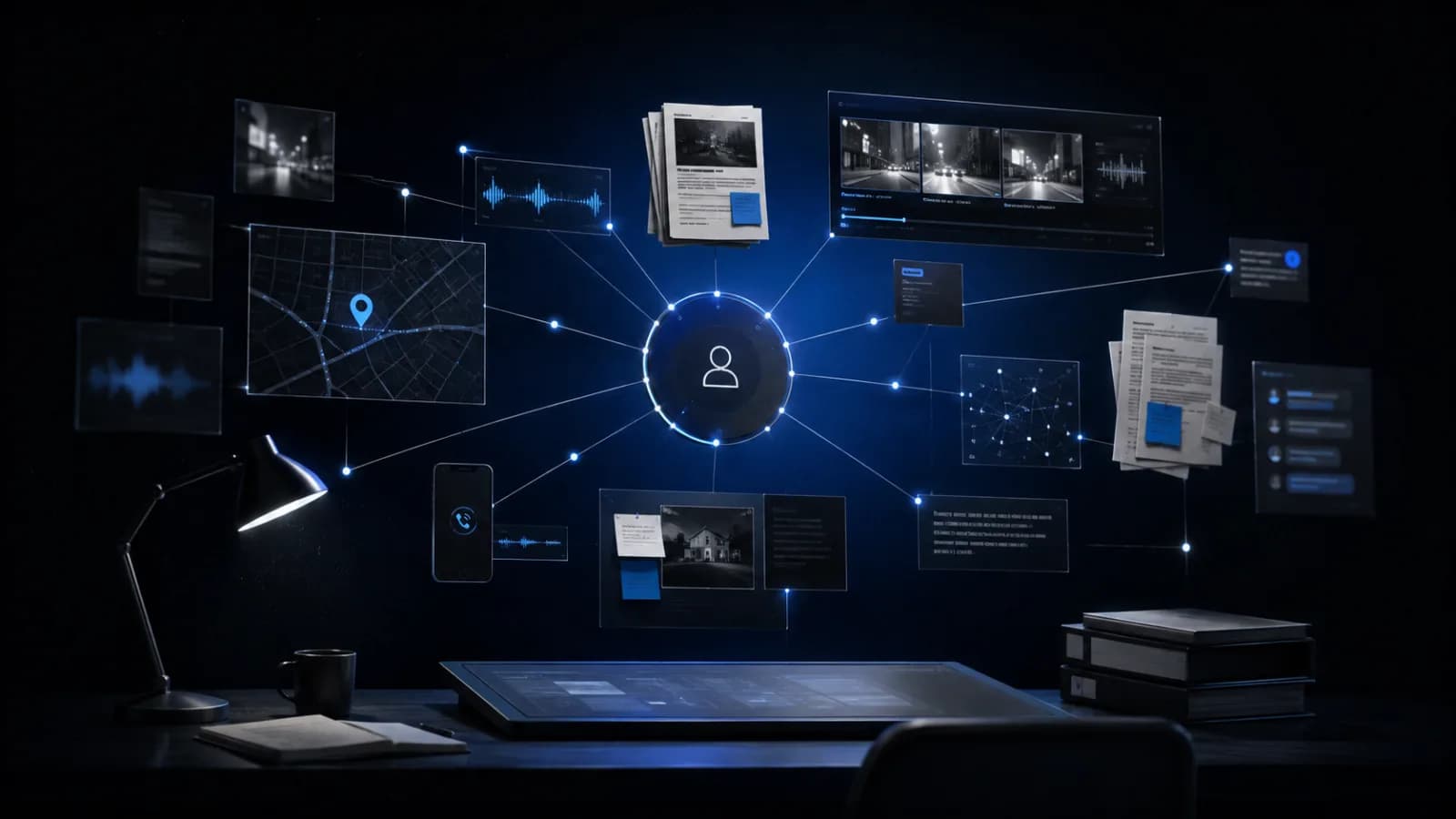
That is where case intelligence matters. Instead of treating jail calls as a separate audio archive, investigators can review them as one evidence source inside a broader case workspace. The same person, vehicle, number, or address can appear across many systems.
For agencies, this can reduce repeated manual review. It can also improve handoffs between investigators because important call moments stay attached to the case timeline and source evidence.
Guardrails for Law Enforcement Audio AI
Recorded audio is messy. Transcripts can be wrong. Speaker labels can be uncertain. Background noise can hide important context. Good jail call analysis software should make uncertainty visible instead of hiding it.
Agencies should look for:
Clear links from AI outputs to original audio
Transcript review tools that support correction
Audit trails for who reviewed or exported material
Separation between draft AI output and official investigative conclusions
Workflows that keep detectives responsible for final interpretation
These guardrails are not optional. They are what make AI useful inside police investigation software.
The Practical Future
The future of jail call analysis AI is not a fully automated detective. It is a faster way to find relevant audio, connect it to other evidence, and prepare better investigative summaries.
For Code Four INSIGHTS, that means treating recorded audio as part of a larger evidence graph. Jail calls, reports, body-camera footage, phone records, and case files should work together so investigators can find leads faster and verify every important claim before it leaves the system.