The future of AI in police investigations will be practical before it is dramatic. The biggest near-term change is not a system that replaces detectives. It is software that helps agencies process evidence, find connections, draft summaries, and verify every output against the original source.
That sounds less flashy than science fiction, but it is much more useful.
The Evidence Problem Keeps Growing
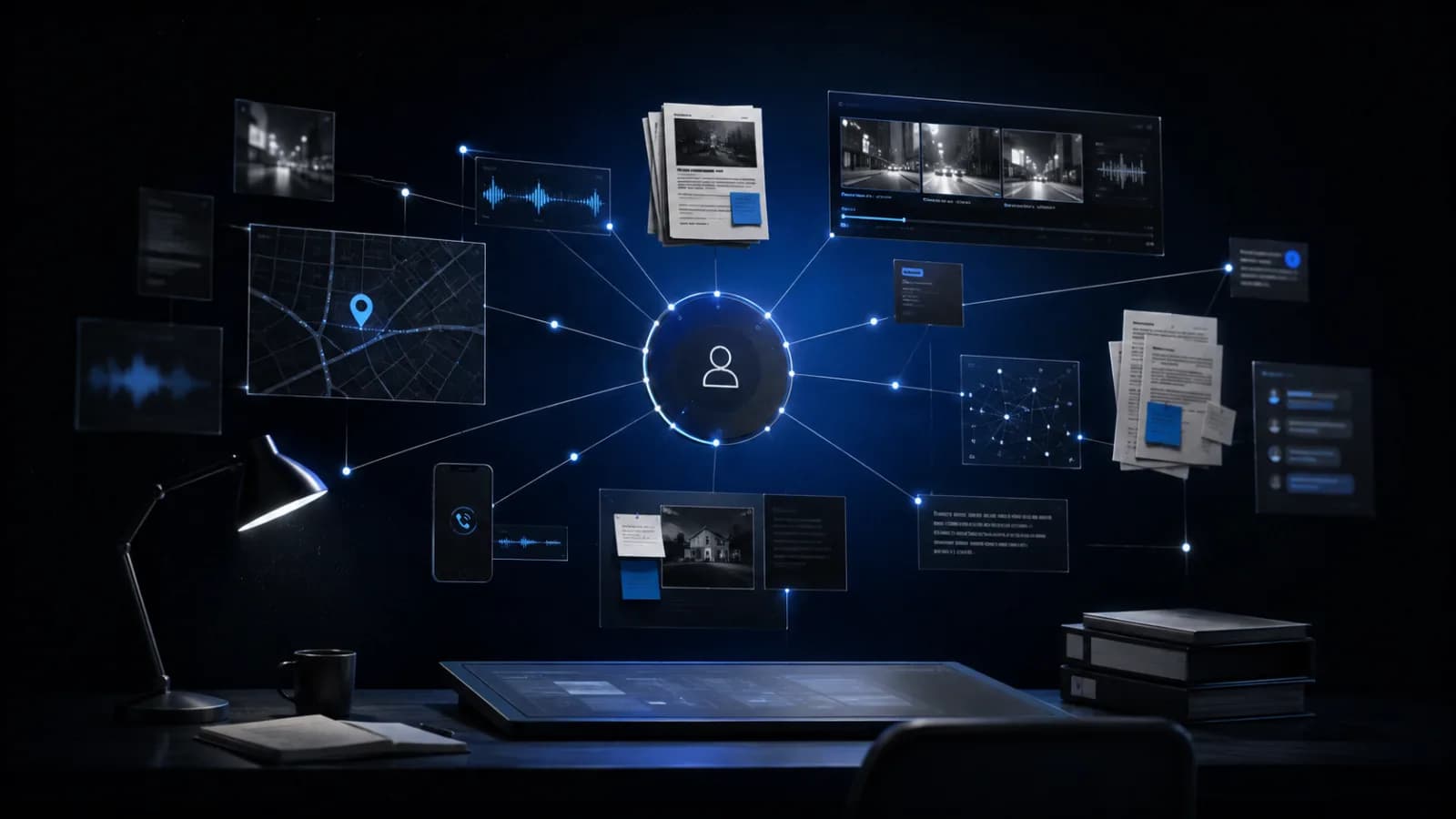
Modern investigations are built from more sources than ever before. Body-worn camera video, surveillance footage, interviews, jail calls, call records, phone exports, RMS data, CAD context, photos, documents, and tips can all matter in the same case.
The challenge is not simply storage. Agencies often already store the evidence. The challenge is making that evidence searchable, connected, and usable before the investigative window closes.
AI is valuable because it can reduce the time between collecting evidence and understanding what is inside it.
AI Will Become the First Review Layer
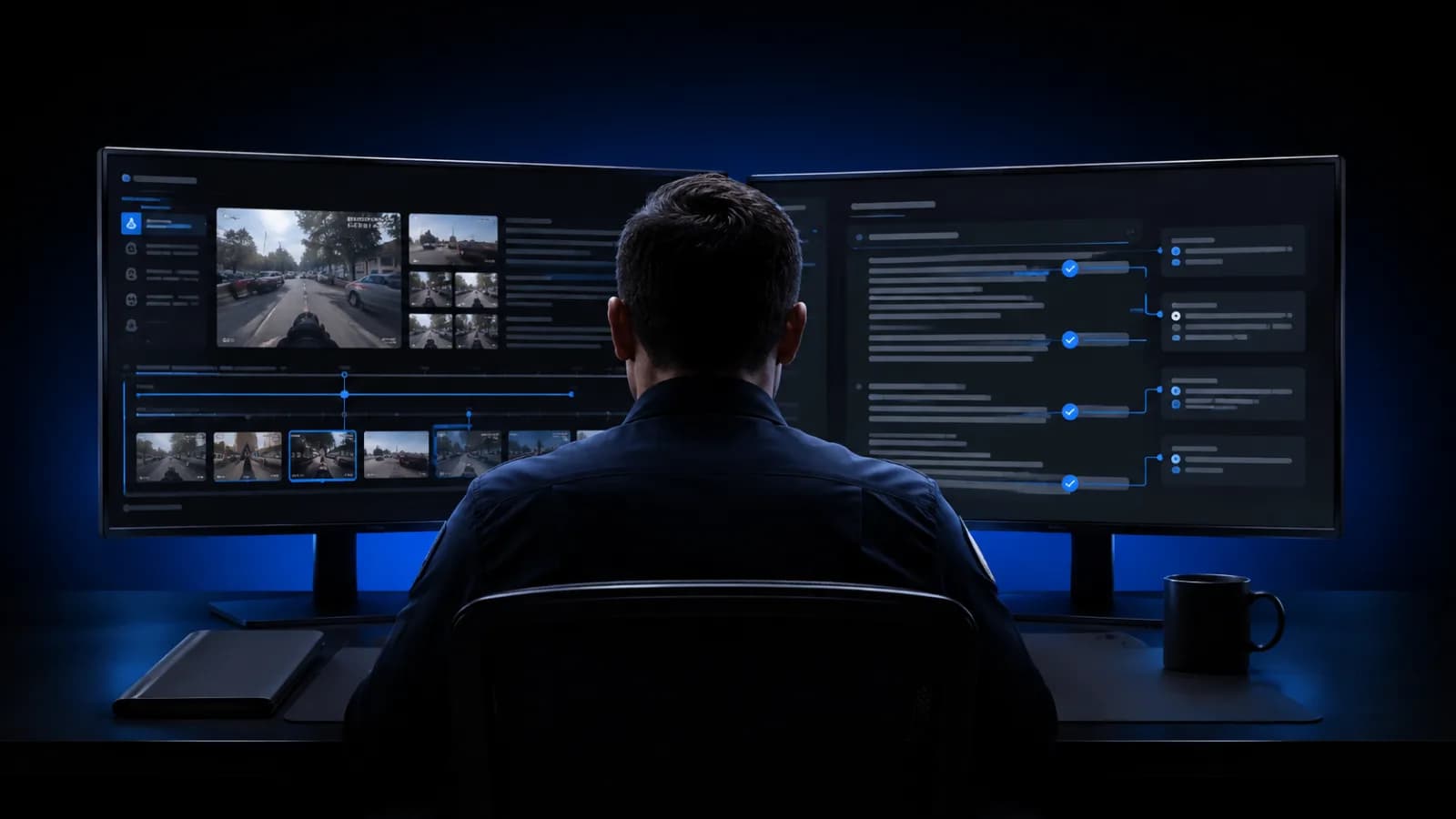
In the future, AI will handle more of the first review layer. It will transcribe audio, summarize video, extract entities, identify repeated people and locations, group related evidence, and create first-pass timelines.
That does not mean AI decides what happened. It means investigators start with a map instead of a pile of files. They can see the likely people, places, events, and evidence moments that deserve attention, then verify them directly.
The best AI investigation software for police will be judged by how well it supports that review loop.
Source-Linked Answers Will Be the Standard
Law enforcement AI cannot stop at confident text. A detective needs to know where an answer came from. A supervisor needs to review the underlying evidence. A prosecutor may need to understand the basis for a summary. A defense process may require disclosure.
That is why source-linked answers will become a baseline requirement. If AI creates a timeline entry, the system should show the report, transcript, audio timestamp, video moment, call log, or case file behind it.
This is also how agencies avoid over-trusting AI. The model can speed review, but the source evidence remains the authority.
Reports and Investigations Will Converge
AI police AI police report writing is often discussed separately from investigations, but the workflows are connected. A patrol report can shape what detectives know first. Body-camera footage can contain details that matter later. Supplemental notes can become investigative leads.
The future is a connected workflow where report writing, evidence review, and case intelligence share context. Officers should not have to re-enter facts that already exist in body-camera footage or CAD. Detectives should not have to rediscover context that patrol already captured.
This is why Code Four builds Report and INSIGHTS together. The report is not the end of the workflow. It is often the beginning of the next investigative step.
Responsible AI Will Matter More, Not Less
As AI becomes more capable, responsible deployment becomes more important. Agencies need audit trails, permissions, data controls, human review, and clear separation between draft AI output and official conclusions.
They also need vendors that understand law enforcement workflows. A generic tool can produce text. A law enforcement AI platform has to respect evidence, review, retention, disclosure, and agency policy.
What Comes Next
The future of AI in police investigations is a source-linked case workspace. Investigators will search across evidence types, ask questions of case material, generate timelines, identify leads, and prepare summaries faster.
The human investigator remains responsible for judgment. AI handles the repetitive review burden so investigators can spend more time on interviews, strategy, follow-up, and decisions that require experience.
That is the future worth building: faster investigations, better verification, and technology that makes police work more focused instead of more complicated.