report
AI-powered report generation from body-cam footage.INSIGHTS
Search video, transcripts, narratives, and case timelines.redact
Redact faces, plates, audio, and documents for release.Flash
Mobile field capture for notes, photos, and follow-up.
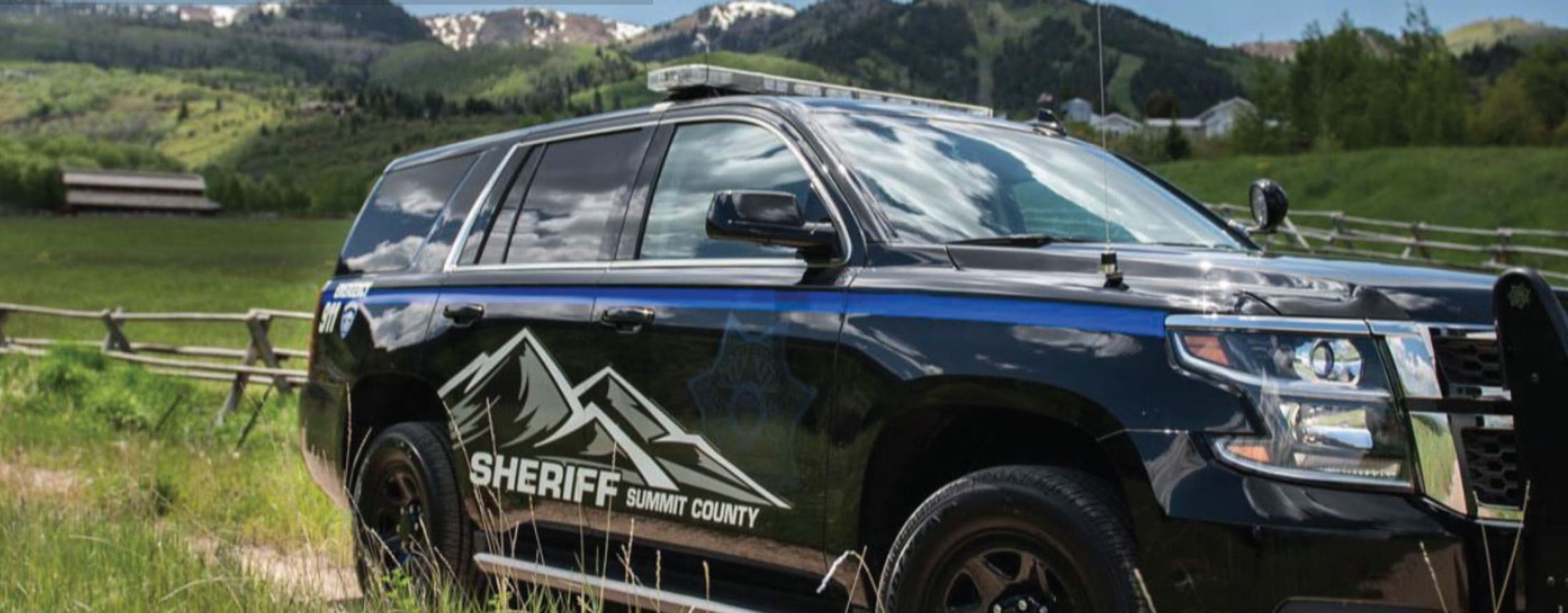

Summit County Sheriff's Office Partners with Code Four to Support Around-the-Clock Patrol and Criminal Investigations
In Summit County, Utah, Summit County Sheriff's Office is working with Code Four to reduce reporting drag across drug and proactive investigations, school and campus casework, and evidence and forensic follow-up. The focus is faster first drafts, cleaner review, and more officer time back for calls and follow-up.
Countywide Reporting Under Tourism and Event Pressure
Summit County Sheriff's Office's public materials point to a workload built around school and campus casework, evidence and forensic follow-up, and seasonal surges and event-driven workload. That means the first report has to support review, follow-up, and the next step in the case without keeping officers buried in paperwork longer than necessary.
That creates a documentation burden that moves in multiple directions at once. Deputies need usable reports for immediate review, while detective AI tools and specialists need a cleaner base document when a case turns into formal follow-up.
A Better Draft for Deputies, Detectives, and School-Based Cases
Code Four can help Summit County deputies turn field details, footage, and notes into a more structured first draft earlier in the process. That is especially useful when a patrol case may evolve into detective work, school-related follow-up, evidence processing, or an investigation linked to one of the county’s large events.
A stronger initial report can reduce repetitive cleanup, preserve sequence, and improve the handoff from patrol to investigations without slowing down the next call.
Why the Fit Is Specific to Summit County
Summit County's public materials already show why this is a distinct workflow problem: a wide county footprint, seasonal surges, major-event staffing, and an investigations division built to support patrol with detectives and forensic resources. That makes documentation speed and quality directly relevant to operations.
Designed for Patrol-to-Investigations Handoffs
Code Four is designed to layer into the sheriff's existing report-writing and review process rather than replace it. Summit County can evaluate the platform where it matters most: first reports, supervisor review, and the handoff into detectives, school resource staff, or evidence-focused follow-up.
That keeps rollout practical for a county office that has to maintain around-the-clock service while managing both local calls and high-visibility event pressure.
How this case study connects to report writing and investigations.
See where the field result maps inside Code Four: police report writing software, investigation software, and digital evidence analysis.
AI police report writing
See how Code Four turns body-worn camera footage, transcripts, CAD context, and officer notes into source-linked police report drafts.
AI investigation software
Connect case files, transcripts, video, call logs, and investigative context into searchable case intelligence for follow-up work.
Digital evidence analysis
Review the dedicated guide for police investigation software, data fusion, digital evidence processing, and case intelligence.
Run a similar department?
See how Code Four works with your bodycam and RMS systems in a live demo, from AI police report writing to investigation software.
Related Case Studies


Davidson County Sheriff's Office Partners with Code Four to Strengthen Piedmont-Region Patrol and Detective Workflows
Cumberland County Sheriff's Office Partners with Code Four to Move Documentation Faster Across Patrol, CID, and a 335,000-Resident County
