report
AI-powered report generation from body-cam footage.INSIGHTS
Search video, transcripts, narratives, and case timelines.redact
Redact faces, plates, audio, and documents for release.Flash
Mobile field capture for notes, photos, and follow-up.
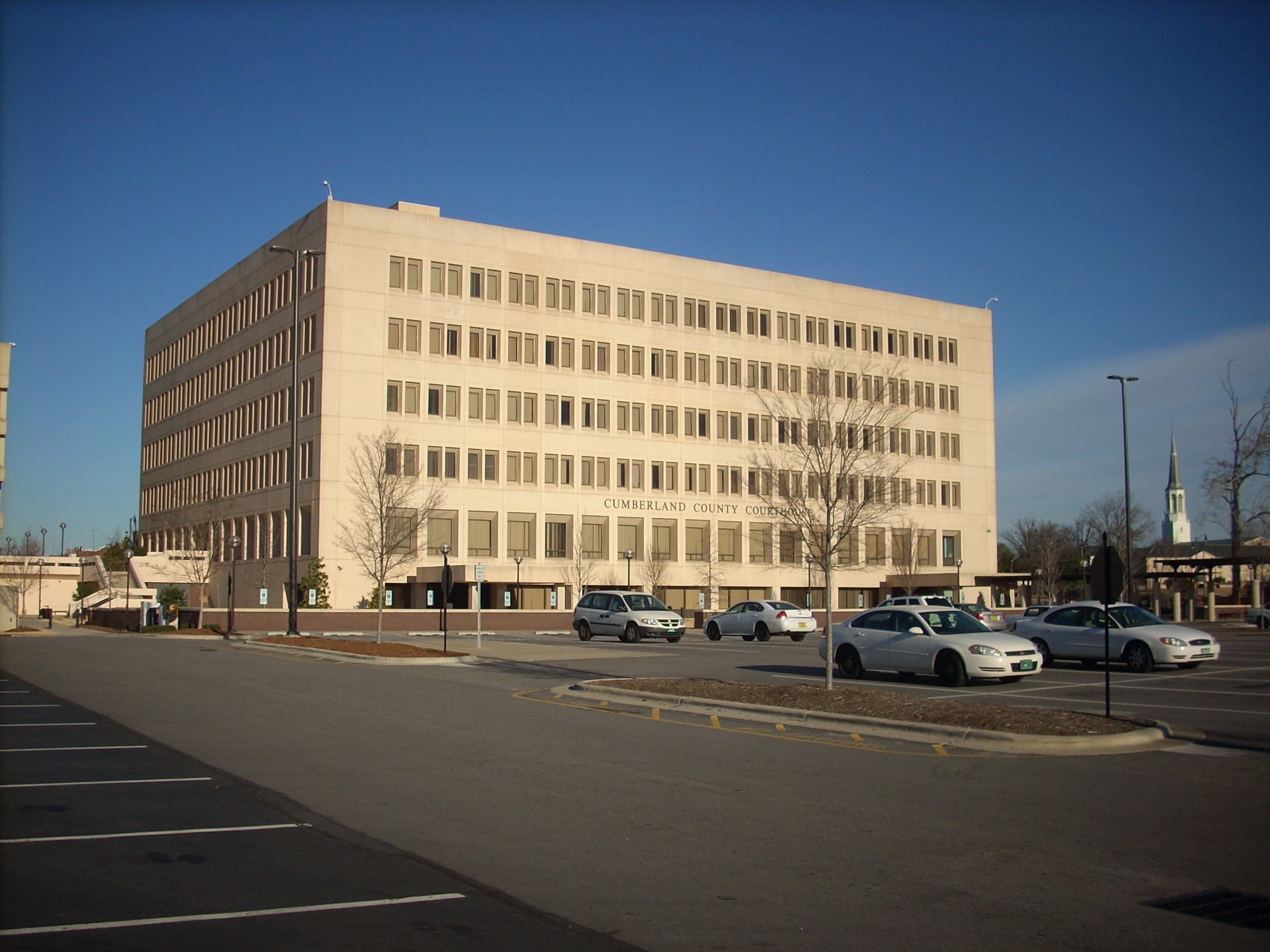
Cumberland County Sheriff's Office Partners with Code Four to Move Documentation Faster Across Patrol, CID, and a 335,000-Resident County
In Cumberland County, North Carolina, Cumberland County Sheriff's Office is working with Code Four to reduce reporting drag across jail and custody documentation and cross-jurisdiction and countywide casework. The focus is faster first drafts, cleaner review, and more officer time back for calls and follow-up.
A Large County Sheriff Office with Multiple Documentation Paths
Cumberland County Sheriff's Office's public materials point to a workload built around jail and custody documentation. That means the first report has to support review, follow-up, and the next step in the case without keeping officers buried in paperwork longer than necessary.
In an office this large, report quality affects every downstream function. A weak first draft slows not just the deputy but everyone who touches the case afterward.
A Better Draft for Deputies, Detectives, and Detention-Facing Review
Code Four can help Cumberland County deputies move from call details, footage, and field notes into a stronger first draft earlier in the process. That matters when a sheriff office is handling countywide patrol, major-crime investigation software, and detention documentation at the same time.
A better first draft can reduce repetitive cleanup, preserve chronology, and improve the handoff between patrol, investigators, detention staff, and court-security personnel.
Why the Fit Is Specific to Cumberland County
Cumberland County's size and division structure make documentation quality a countywide operational issue. Reports have to work across patrol, CID, detention, and courts without being rebuilt at each stage. That is the operational fit for this partnership.
Built Around a Multi-Division Sheriff Operation at Scale
Code Four is designed to support the sheriff office's existing workflow without forcing a wholesale systems replacement. The rollout can stay focused on first reports, first review, and the first handoff into investigations, detention, or court-facing follow-up.
That keeps implementation practical for a large county office where documentation moves through multiple divisions every day.
How this case study connects to report writing and investigations.
See where the field result maps inside Code Four: police report writing software, investigation software, and digital evidence analysis.
AI police report writing
See how Code Four turns body-worn camera footage, transcripts, CAD context, and officer notes into source-linked police report drafts.
AI investigation software
Connect case files, transcripts, video, call logs, and investigative context into searchable case intelligence for follow-up work.
Digital evidence analysis
Review the dedicated guide for police investigation software, data fusion, digital evidence processing, and case intelligence.
Run a similar department?
See how Code Four works with your bodycam and RMS systems in a live demo, from AI police report writing to investigation software.
Related Case Studies


Davidson County Sheriff's Office Partners with Code Four to Strengthen Piedmont-Region Patrol and Detective Workflows

Forsyth County Sheriff's Office Partners with Code Four to Support Patrol, School, and Investigative Reporting
