What I found when we looked closer
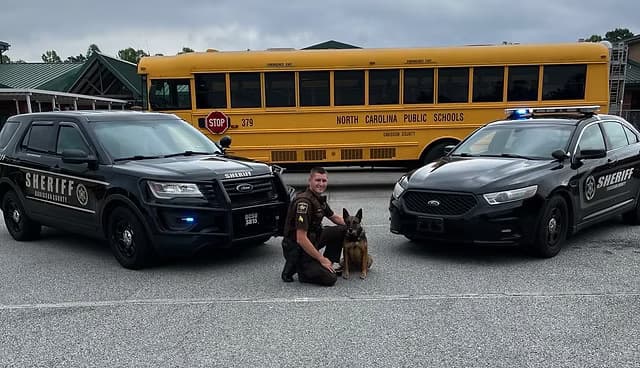
Davidson County Sheriff's Office serves a county of 167,609 in North Carolina's Piedmont region. The office's public materials show a structure that includes patrol, criminal investigation software, and detention operations. Deputies handle countywide law enforcement while also producing reports that may need to support detective follow-up, jail-related documentation, or later court-facing review.
That creates a documentation environment where the first report has to remain useful well beyond the initial call. If the draft is weak, the detective handoff and downstream processes slow down immediately.
Following one report through the building
The first thing we do with a new department is trace where a report goes after the officer hits submit. Here, it passes through 5 hands:
- 1Deputy
- 2Sergeant
- 3Criminal investigations
- 4Detention
- 5Court
Every one of those readers needs the same facts from the first draft. That is what shaped what we built.
What we built for them
What we're watching
These are the signals that will tell us whether it's working here:
- Booking narratives consistent with patrol reports
- Detective time to assemble a case
- Same-shift report completion
Figures on this page come from the department's own published materials. We only publish Code Four results after the department reviews them.