report
AI-powered report generation from body-cam footage.INSIGHTS
Search video, transcripts, narratives, and case timelines.redact
Redact faces, plates, audio, and documents for release.Flash
Mobile field capture for notes, photos, and follow-up.
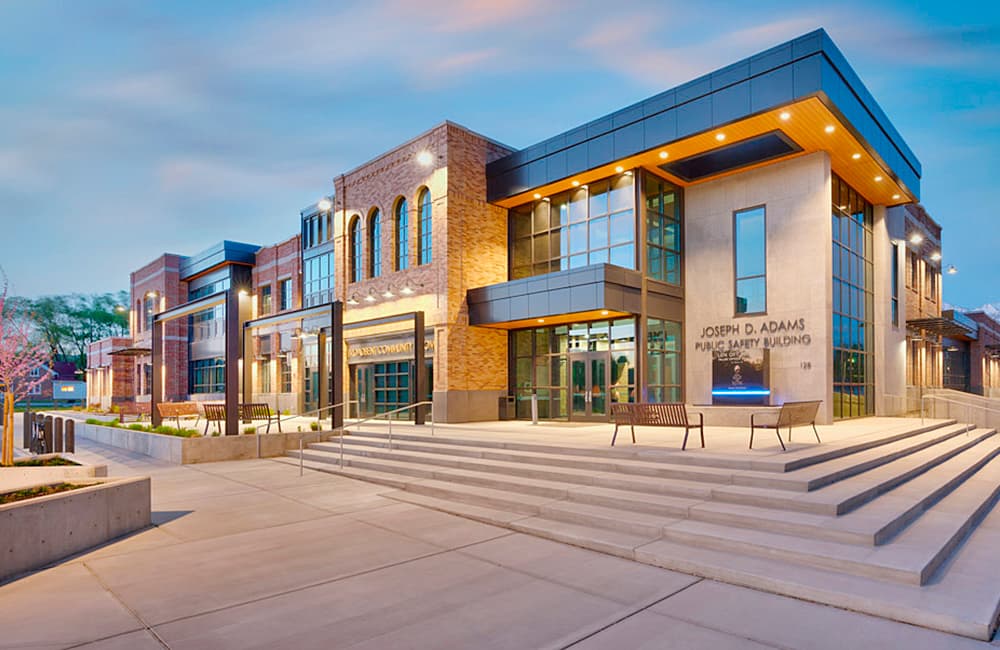
Lehi Police Department Partners with Code Four to Scale Reporting Across the Silicon Slopes Corridor
In Lehi, Utah, Lehi Police Department is working with Code Four to reduce reporting drag across patrol reporting, supervisor review, and case handoff. The focus is faster first drafts, cleaner review, and more officer time back for calls and follow-up.
Rapid Growth Means More Calls and More Complex Cases
Lehi Police Department serves one of the fastest-growing cities in Utah, sitting at the center of the Silicon Slopes corridor. Rapid residential and commercial growth means increasing call volume, more complex incidents, and a documentation burden that scales faster than staffing can. The department's public materials show a patrol and investigation software model that has to keep up with a city that has more than doubled in population over the past decade.
That creates a real workflow problem. Patrol officers need reports that close quickly, but detectives also need documentation that holds up when a case moves into follow-up investigation.
A Better Draft for Patrol Officers and Detectives Under Volume Pressure
Code Four can help Lehi officers turn footage, notes, and incident details into a structured first draft earlier in the process. That matters when call volume is growing and the same reporting workflow has to support both routine patrol closures and escalating detective casework.
A better first draft can reduce rewrite time, preserve chronology, and give supervisors and investigators a more usable handoff when a case grows beyond the initial response.
Why the Fit Is Specific to Lehi
Lehi's growth trajectory is what makes the documentation problem especially pressing. A city that has scaled this quickly needs reporting tools that can keep up with volume without sacrificing quality on individual cases. That is the operational fit for this partnership.
Built for a Department Scaling with City Growth
Code Four is designed to support the department's existing reporting workflow without adding complexity during a period of growth. The rollout can stay focused on first reports, first review, and the first investigative handoff.
That keeps implementation practical for a department that is scaling operations alongside a rapidly expanding city.
How this case study connects to report writing and investigations.
See where the field result maps inside Code Four: police report writing software, investigation software, and digital evidence analysis.
AI police report writing
See how Code Four turns body-worn camera footage, transcripts, CAD context, and officer notes into source-linked police report drafts.
AI investigation software
Connect case files, transcripts, video, call logs, and investigative context into searchable case intelligence for follow-up work.
Digital evidence analysis
Review the dedicated guide for police investigation software, data fusion, digital evidence processing, and case intelligence.
Run a similar department?
See how Code Four works with your bodycam and RMS systems in a live demo, from AI police report writing to investigation software.
Related Case Studies


American Fork Police Department Partners with Code Four to Keep Pace with Wasatch Front Growth

Spanish Fork Police Department Partners with Code Four to Support Patrol, School, and Detective Casework
