What I found when we looked closer
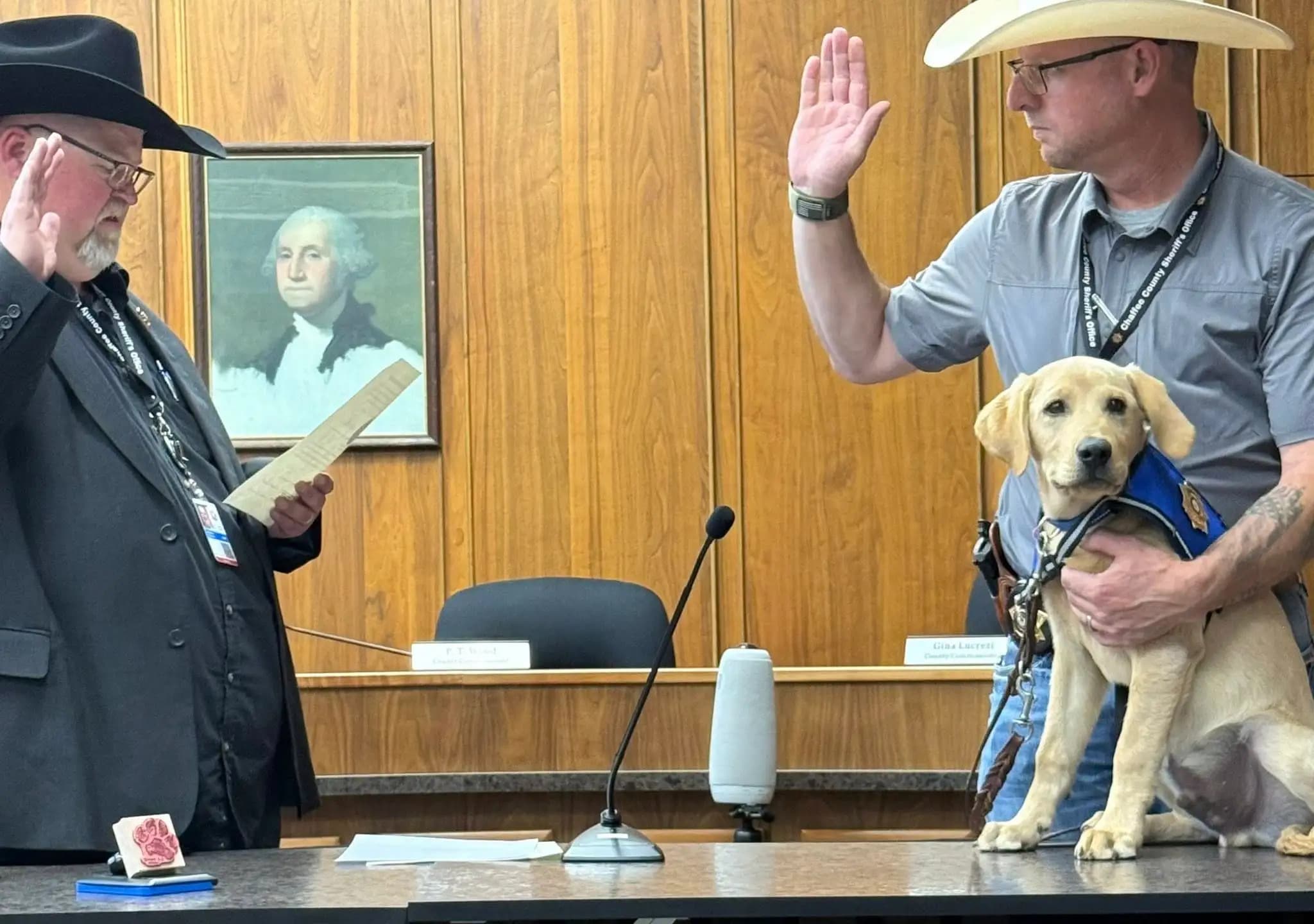
Chaffee County Sheriff's Office describes an operations model where patrol and investigation software are tightly linked. The office's operations page says deputies in this largely rural county serve as generalists, with duties ranging from routine traffic enforcement to primary and follow-up investigations of significant crimes. The same page says the office has just two detectives, which means patrol deputies are expected to share the investigative burden, while also assisting with search-and-rescue missions, school events, CrimeStoppers work, and other specialized functions.
That creates a very specific documentation problem. The first report has to be strong enough to support patrol work, later detective casework, and incident-command review without requiring a rewrite.
Following one report through the building
The first thing we do with a new department is trace where a report goes after the officer hits submit. Here, it passes through 4 hands:
- 1Generalist deputy
- 2Patrol sergeant
- 3Two detectives
- 4County tactical team / search and rescue
Every one of those readers needs the same facts from the first draft. That is what shaped what we built.
What we built for them
With only two detectives, Chaffee deputies run primary and follow-up investigations themselves. A footage-based draft gives each one a consistent starting point.
Search-and-rescue missions and remote calls rarely end near a desk. Field notes and photos on the phone keep details from being lost on the drive back.
What we're watching
These are the signals that will tell us whether it's working here:
- Follow-up investigations completed by patrol without a rewrite
- Field notes captured during remote calls
- Deputy hours on paperwork per week
Figures on this page come from the department's own published materials. We only publish Code Four results after the department reviews them.