What I found when we looked closer
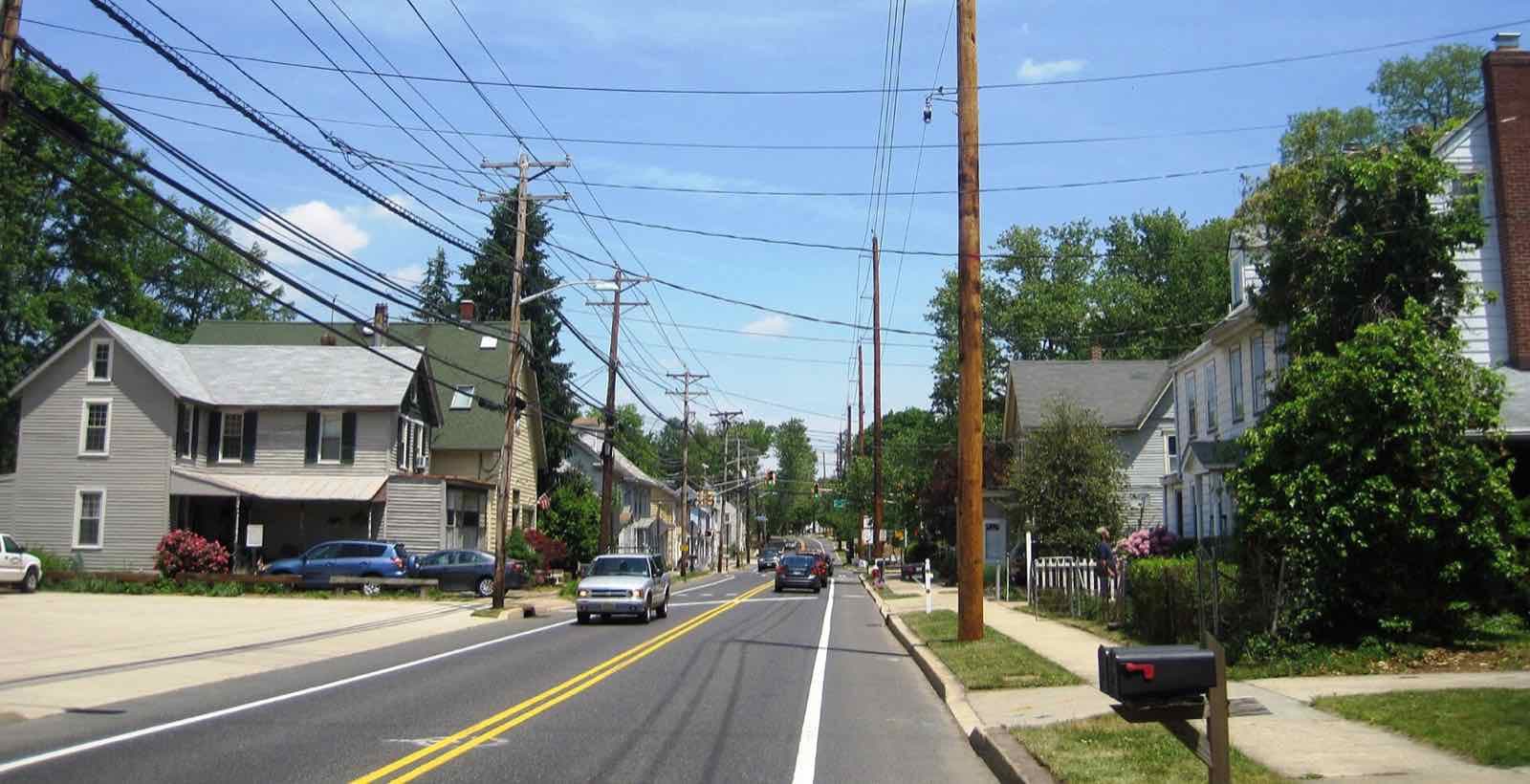
Mount Holly Township Police publicly invites residents to submit secure email tips involving suspected criminal activity, suspicious persons, nuisance issues, and quality-of-life concerns. The department's own guidance asks for dates, times, descriptions, license plates, photos, and videos where possible. On top of that, its complaint guide explains that allegations against employees are investigated by a superior officer or specially trained internal affairs officer.
That means Mount Holly's documentation burden includes more than patrol narratives alone. Officers and reviewers have to organize community-provided detail, body-worn-camera evidence, and formal follow-up into reports that can hold up under review.
Following one report through the building
The first thing we do with a new department is trace where a report goes after the officer hits submit. Here, it passes through 4 hands:
- 1Resident tip (email, photos, video)
- 2Patrol officer
- 3Supervisor
- 4Internal affairs when required
Every one of those readers needs the same facts from the first draft. That is what shaped what we built.
What we built for them
Mount Holly asks residents to send dates, plates, photos, and videos with their tips. Insights pulls that material into the same case view as the officer’s body-camera footage.
Every claim in a Code Four draft links back to the clip or transcript it came from, which is what a superior officer or internal affairs reviewer needs when a complaint comes in.
Citizen-submitted video often shows bystanders. Redact handles them before anything is released.
What we're watching
These are the signals that will tell us whether it's working here:
- Tips linked to a case within a day
- Complaint reviews that start from source-linked footage
- Bystander footage redacted before release
Figures on this page come from the department's own published materials. We only publish Code Four results after the department reviews them.