report
AI-powered report generation from body-cam footage.INSIGHTS
Search video, transcripts, narratives, and case timelines.redact
Redact faces, plates, audio, and documents for release.Flash
Mobile field capture for notes, photos, and follow-up.
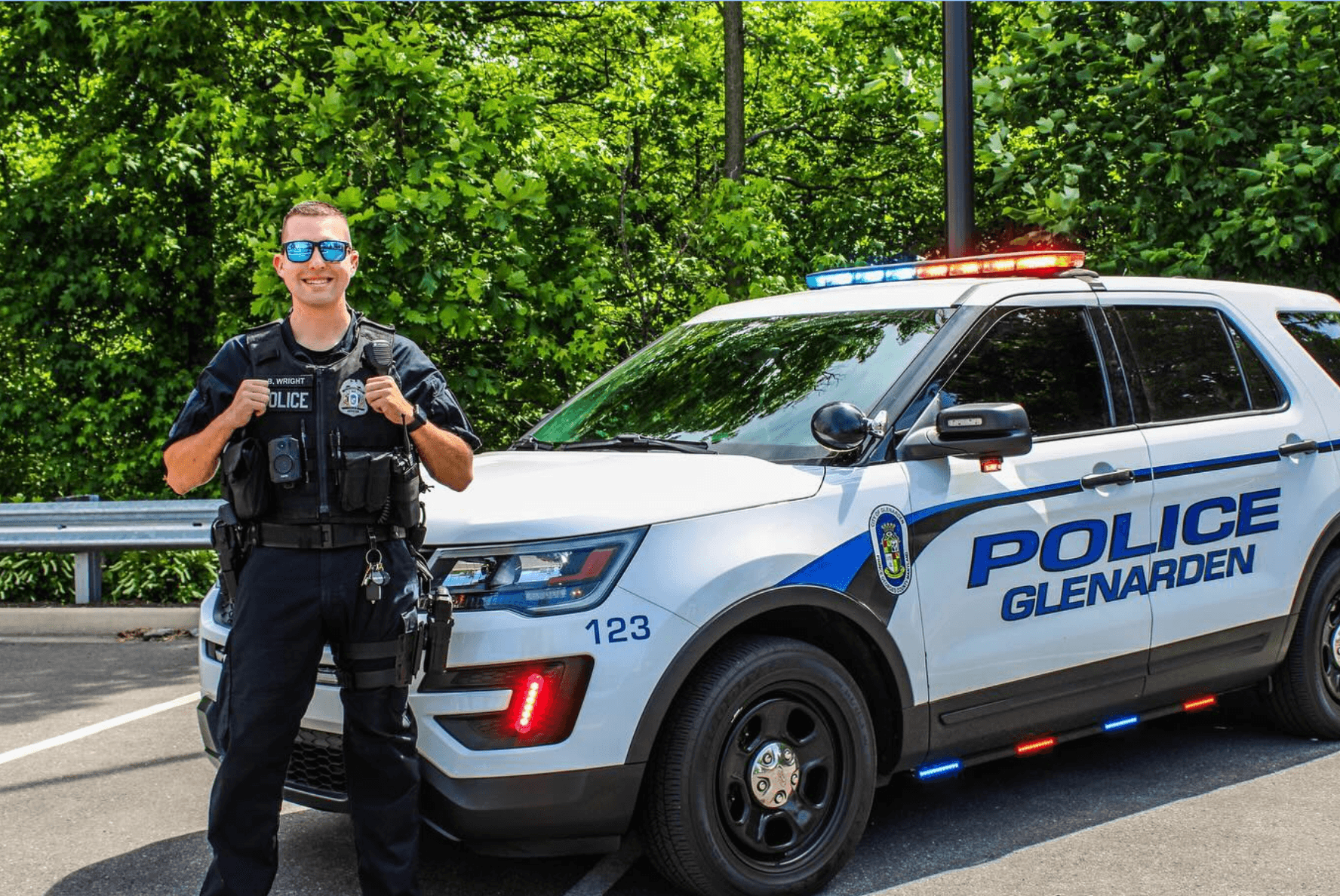
Glenarden Police Department Partners with Code Four to Speed Community-Facing Reporting
In Glenarden, Maryland, Glenarden Police Department is working with Code Four to reduce reporting drag across drug and proactive investigations, traffic and crash reporting, and dispatch-linked workflow. The focus is faster first drafts, cleaner review, and more officer time back for calls and follow-up.
Supporting Day-to-Day Community Calls
Glenarden Police Department's public materials point to a workload built around community-facing response and follow-up. That means the first report has to support review, follow-up, and the next step in the case without keeping officers buried in paperwork longer than necessary.
For an agency like Glenarden, documentation quality matters because community trust is built in the follow-up. If reports are slow, incomplete, or hard to review, the department loses time on the back end and residents feel it on the front end.
Cleaner Reports for Patrol and Community Follow-Up
Code Four can help officers move from incident details into a structured first draft more quickly, which is useful when calls involve suspicious activity, nuisance complaints, traffic incidents, or quality-of-life enforcement. A better first draft can reduce avoidable rewrite time and make it easier for supervisors or records staff to move the report forward.
That is the practical fit here: not a dramatic system replacement, but a faster way to turn routine public-safety work into usable documentation.
Why the Fit Is Specific to Glenarden
Glenarden's published police newsletter already emphasizes report turnaround, dispatch responsiveness, and direct community access. That makes the reporting workflow itself part of the department's public service model.
Built for a Small City Workflow
Code Four is designed to support the report-writing step without forcing a small department to rebuild the systems or habits it already relies on. Glenarden can evaluate the platform where it creates immediate value: first drafts, crash reports, and documentation tied to recurring neighborhood concerns.
That keeps implementation practical and aligned with the way the department already serves the city.
How this case study connects to report writing and investigations.
See where the field result maps inside Code Four: police report writing software, investigation software, and digital evidence analysis.
AI police report writing
See how Code Four turns body-worn camera footage, transcripts, CAD context, and officer notes into source-linked police report drafts.
AI investigation software
Connect case files, transcripts, video, call logs, and investigative context into searchable case intelligence for follow-up work.
Digital evidence analysis
Review the dedicated guide for police investigation software, data fusion, digital evidence processing, and case intelligence.
Run a similar department?
See how Code Four works with your bodycam and RMS systems in a live demo, from AI police report writing to investigation software.
Related Case Studies


Santa Barbara Police Department Partners with Code Four to Keep Reporting Pace with Year-Round Coastal Tourism Demand
Fullerton Police Department Partners with Code Four to Manage University-Area, Commercial, and Residential Casework at Scale
