What I found when we looked closer
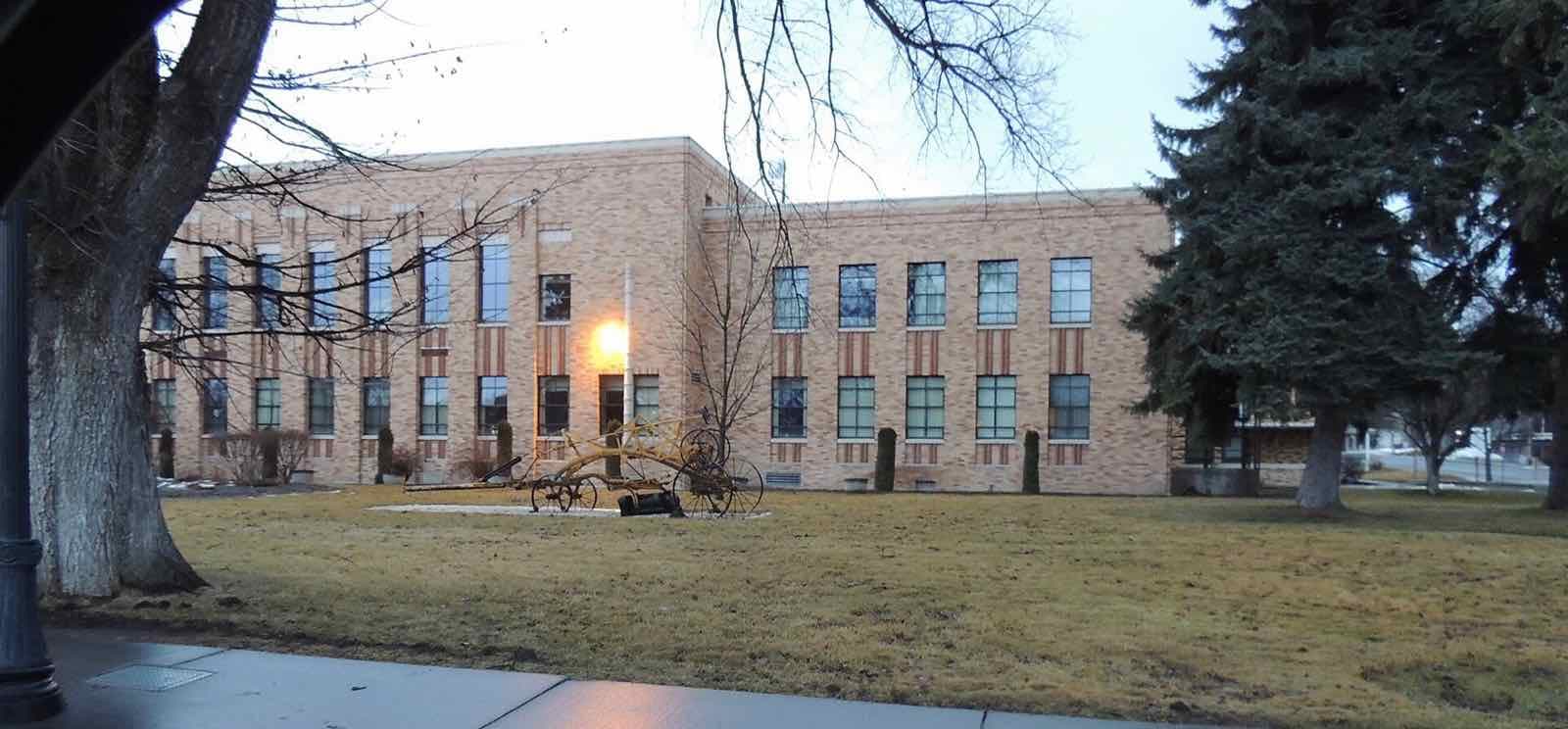
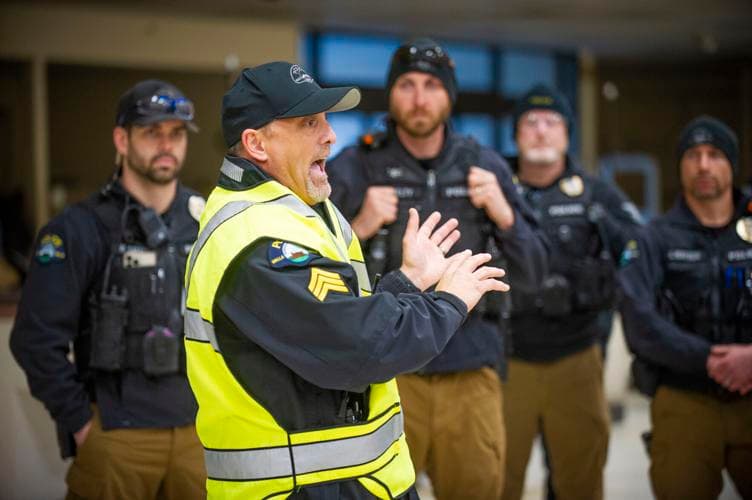
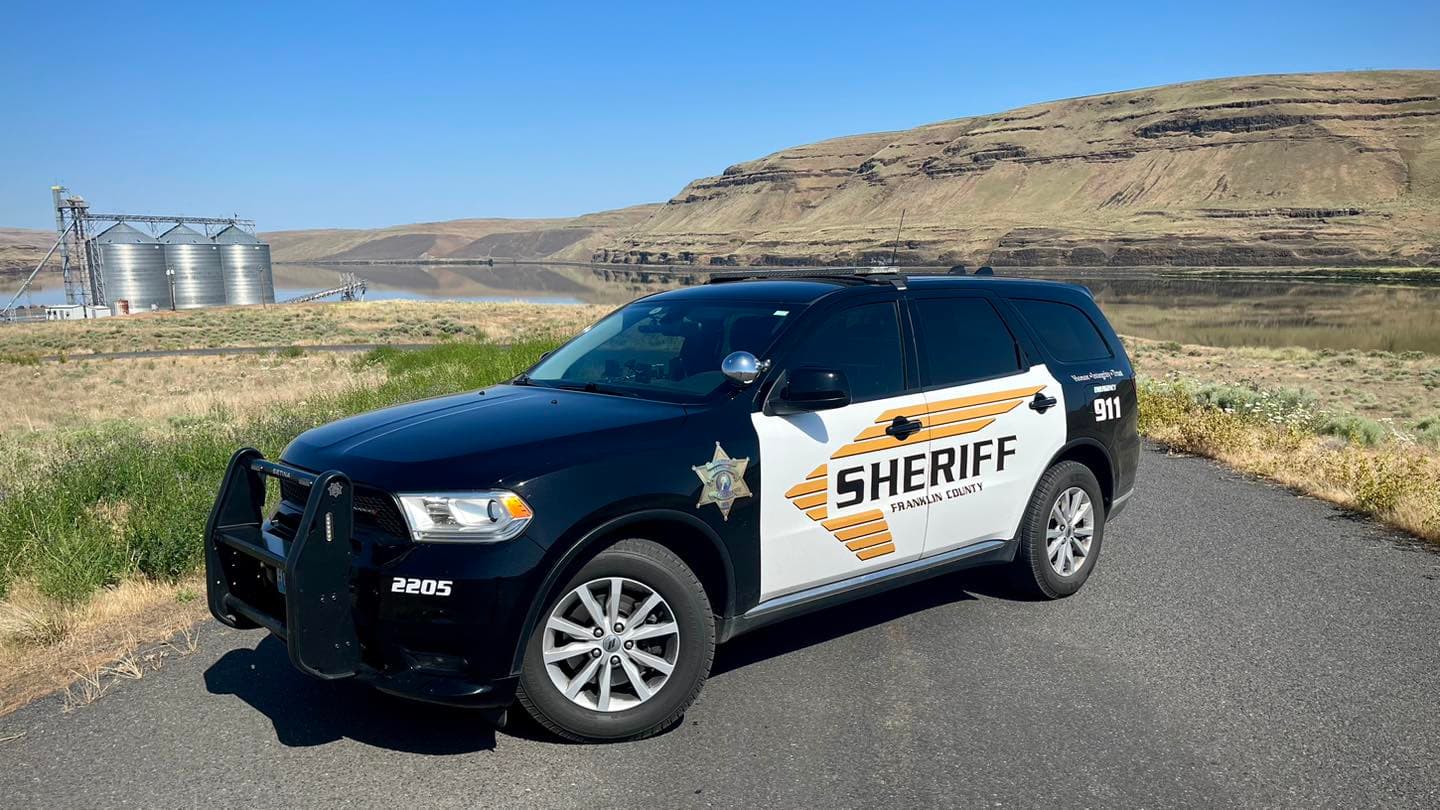
Franklin County Sheriff's Office has a broader reporting burden than a single-lane patrol agency. The office publicly reports three operational divisions with 96 employees, and its Law Enforcement Division page describes around-the-clock patrol coverage, contract policing for Mesa and Kahlotus, specialty programs, and an investigation software unit consisting of four detectives. The same page says those detectives handle intricate and high-stakes cases, while the detective sergeant and two detectives also participate in the regional Special Investigations Unit for officer-involved shootings, in-custody deaths, and other critical incidents.
That mix creates a real documentation challenge. Deputies need reports that are useful immediately, but the office also needs those same reports to hold up when a case escalates into detective work or regional SIU review.
In their words
We have been using both Reports and Insights for several months and are continuously finding more and more ways to make our jobs easier and more efficient... In short, we absolutely love it.
 Marcus ConnerChief Criminal Deputy · Franklin County Sheriff's Office
Following one report through the building
The first thing we do with a new department is trace where a report goes after the officer hits submit. Here, it passes through 4 hands:
- 1Deputy (county or Mesa / Kahlotus contract)
- 2Sergeant
- 3Four detectives
- 4Regional Special Investigations Unit
Every one of those readers needs the same facts from the first draft. That is what shaped what we built.
What we built for them
The detective sergeant and two detectives sit on the regional SIU for officer-involved shootings and in-custody deaths. Those cases are mostly footage, and Insights is built to search footage.
Contract policing for Mesa and Kahlotus means deputies write for more than one jurisdiction. Drafts from footage keep the format consistent wherever the call came from.
Critical-incident video is the footage most likely to be released publicly. Redact gives the office a reviewable, irreversible redaction step.
What we're watching
These are the signals that will tell us whether it's working here:
- Time to assemble footage for an SIU review
- Contract-city reports completed the same shift
- Critical-incident video redacted and ready for release
Figures on this page come from the department's own published materials. We only publish Code Four results after the department reviews them.