report
AI-powered report generation from body-cam footage.INSIGHTS
Search video, transcripts, narratives, and case timelines.redact
Redact faces, plates, audio, and documents for release.Flash
Mobile field capture for notes, photos, and follow-up.
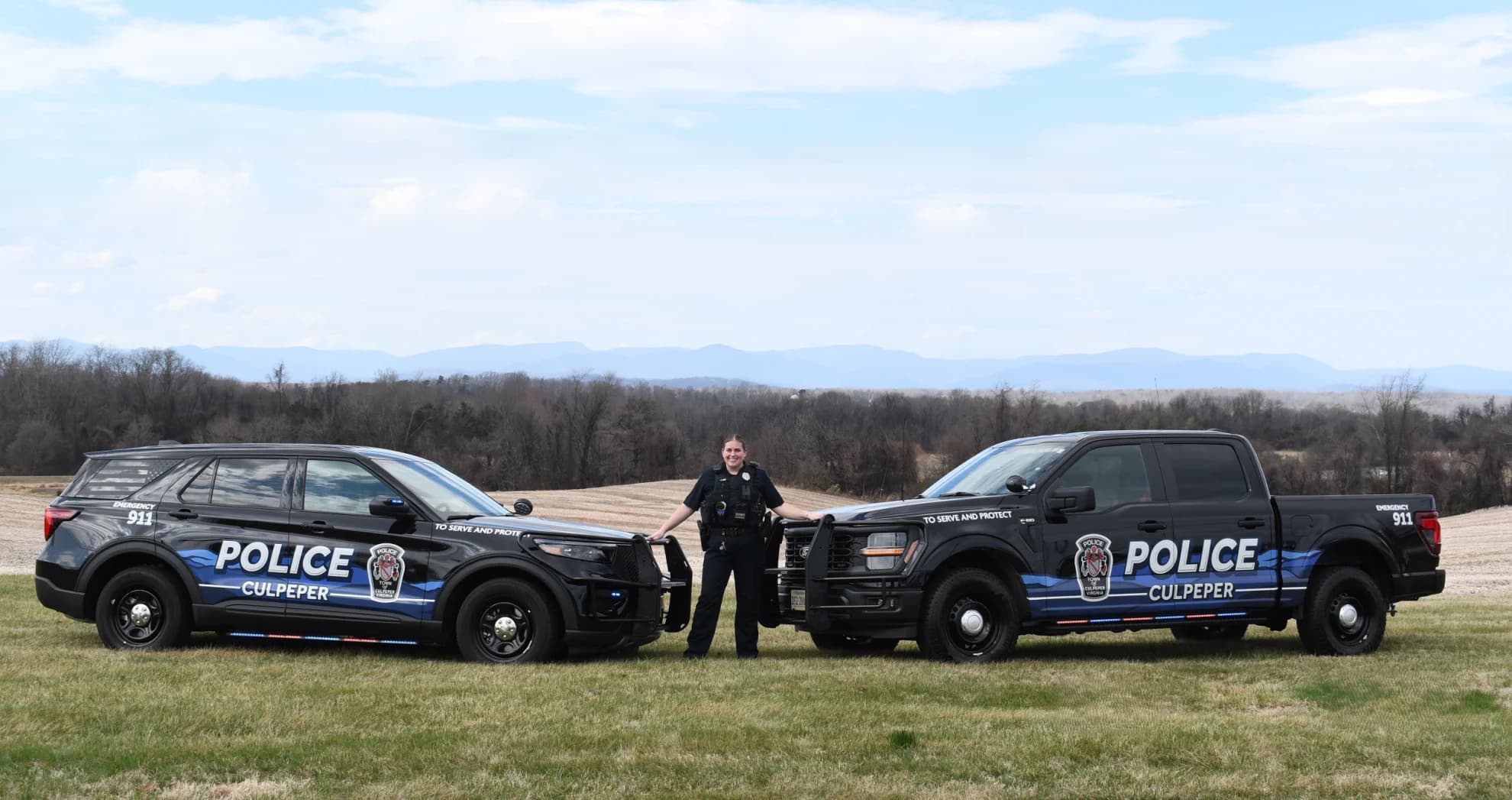
Culpeper Police Department Partners with Code Four to Strengthen Regional Task-Force and Narcotics Handoffs
In Culpeper, Virginia, Culpeper Police Department is working with Code Four to reduce reporting drag across drug and proactive investigations, serious follow-up investigations, and school and campus casework. The focus is faster first drafts, cleaner review, and more officer time back for calls and follow-up.
Reports Move from Patrol into CID and Regional Work
Culpeper Police Department's public materials show a department organized around patrol, criminal investigation software, and community-focused assignments including school-resource officers. The town's position in the broader Culpeper County area also means the department coordinates with county and regional task-force resources on narcotics, violent crime, and other multi-jurisdictional work.
That creates a documentation environment where the first report has to serve more than patrol closure. It often needs to support detective follow-up, school-based coordination, or regional task-force handoff without losing detail or sequence.
A Stronger First Draft for Officers, Detectives, and Task-Force Cases
Code Four can help Culpeper officers move from incident details, footage, and notes into a cleaner first draft earlier in the process. That matters when a case may begin with a town patrol response but then move into criminal investigations, narcotics follow-up, or coordination with Culpeper County resources.
A stronger first draft can reduce repetitive cleanup, preserve chronology, and make the handoff from patrol to detectives or regional partners cleaner from the start.
Why the Fit Is Specific to Culpeper
Culpeper's position as a regional hub in a growing part of Virginia means the department regularly handles work that extends beyond simple patrol calls. That makes documentation quality a practical operational issue for both internal casework and multi-agency coordination.
Built Around a Department That Punches Above Its Size
Code Four is designed to support the department's current drafting and review process without forcing a replacement of the systems already used for patrol, records, or CID operations. The rollout can stay focused on first reports, first review, and the first handoff into detective or task-force work.
That keeps implementation practical for a department that needs faster reporting while maintaining its existing coordination with county partners.
How this case study connects to report writing and investigations.
See where the field result maps inside Code Four: police report writing software, investigation software, and digital evidence analysis.
AI police report writing
See how Code Four turns body-worn camera footage, transcripts, CAD context, and officer notes into source-linked police report drafts.
AI investigation software
Connect case files, transcripts, video, call logs, and investigative context into searchable case intelligence for follow-up work.
Digital evidence analysis
Review the dedicated guide for police investigation software, data fusion, digital evidence processing, and case intelligence.
Run a similar department?
See how Code Four works with your bodycam and RMS systems in a live demo, from AI police report writing to investigation software.
Related Case Studies


Santa Barbara Police Department Partners with Code Four to Keep Reporting Pace with Year-Round Coastal Tourism Demand
Fullerton Police Department Partners with Code Four to Manage University-Area, Commercial, and Residential Casework at Scale
