What I found when we looked closer
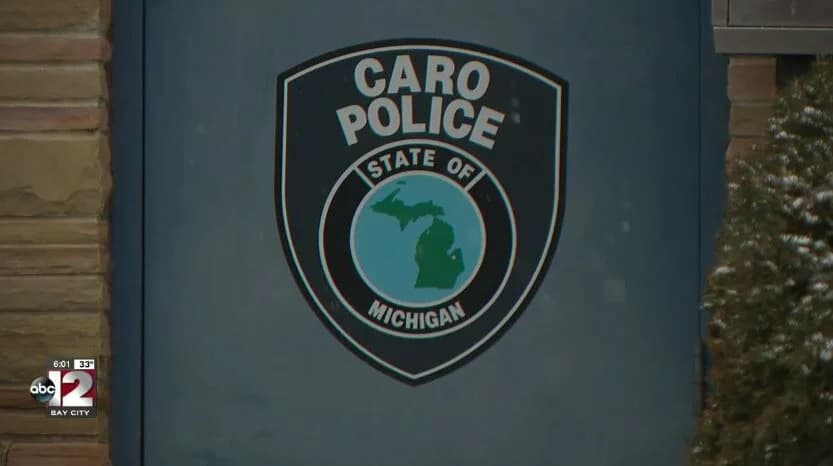
Caro Police Department's published goals are unusually direct about what the department needs from its documentation. The city states that the department exists not only to investigate crimes against people and property, but to do so in a manner that complies with court-mandated restrictions and ensures successful prosecutions. Its goals also include traffic enforcement tied to drug- and alcohol-impaired driving, emergency assistance, and management of mandated records.
That creates a reporting standard that has to be more than descriptive. The report has to be usable in court, usable in records, and usable for follow-up work without unnecessary reconstruction.
Following one report through the building
The first thing we do with a new department is trace where a report goes after the officer hits submit. Here, it passes through 4 hands:
- 1Patrol officer
- 2Records (mandated recordkeeping)
- 3Prosecutor
- 4Court
Every one of those readers needs the same facts from the first draft. That is what shaped what we built.
What we built for them
Caro’s stated goal is investigations that hold up to court-mandated restrictions. Drafts tied to time-stamped footage give prosecutors the sequence without a second interview.
Impaired-driving stops need precise times, observations, and test results. Capturing them on the phone at the roadside beats reconstructing them later.
What we're watching
These are the signals that will tell us whether it's working here:
- Cases returned by the prosecutor for clarification
- Impaired-driving reports completed the same shift
- Patrol hours available while keeping 24/7 coverage
Figures on this page come from the department's own published materials. We only publish Code Four results after the department reviews them.