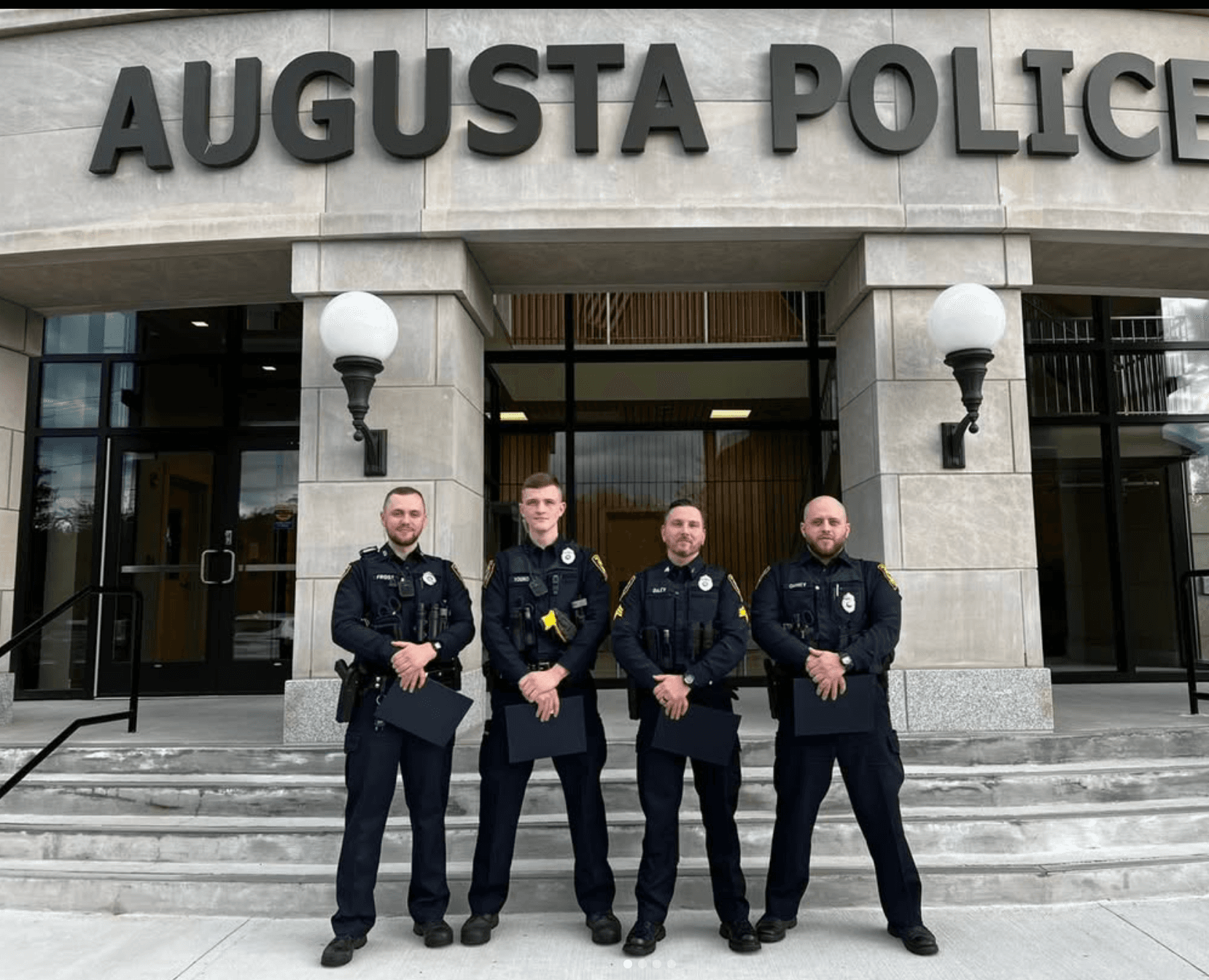
What I found when we looked closer
Augusta Police Department serves Maine's state capital, which means the department handles not only residential patrol and criminal investigation but also the public-safety demands that come with hosting state government offices, facilities, and events. The department's public materials show a structure built around patrol, criminal investigation software, and community-policing programs.
That creates a documentation environment where reports may need to support state-level coordination, detective follow-up, or community-accountability efforts alongside routine patrol work.
Following one report through the building
The first thing we do with a new department is trace where a report goes after the officer hits submit. Here, it passes through 4 hands:
- 1Patrol officer
- 2Supervisor
- 3Criminal investigations
- 4State partners
Every one of those readers needs the same facts from the first draft. That is what shaped what we built.
What we built for them
What we're watching
These are the signals that will tell us whether it's working here:
- High-visibility reports with source-linked footage
- Event footage redacted and released on time
- Detective handoffs without a rewrite
Figures on this page come from the department's own published materials. We only publish Code Four results after the department reviews them.